The Benefits of Joining a Gymnastics Program Today
Enrolling children in organized physical activities offers numerous benefits, and a gymnastics program is an ideal choice for young participants. Gymnastics encourages physical growth, social interaction, and mental development in a structured, supportive environment. According to The National Alliance for Youth Sports, 60 million children in the U.S. participate in some form of organized sport, highlighting the value parents place on structured athletic programs. By choosing a gymnastics program, children gain access to a range of developmental opportunities that help them thrive both inside and outside the gym. Beyond physical skills, gymnastics also teaches discipline, goal-setting, and perseverance, providing children with tools they can carry into school, friendships, and everyday challenges. The combination of fun, fitness, and personal growth makes gymnastics a well-rounded option for families seeking meaningful extracurricular activities.
How Does a Gymnastics Program Improve Physical Fitness for Children?
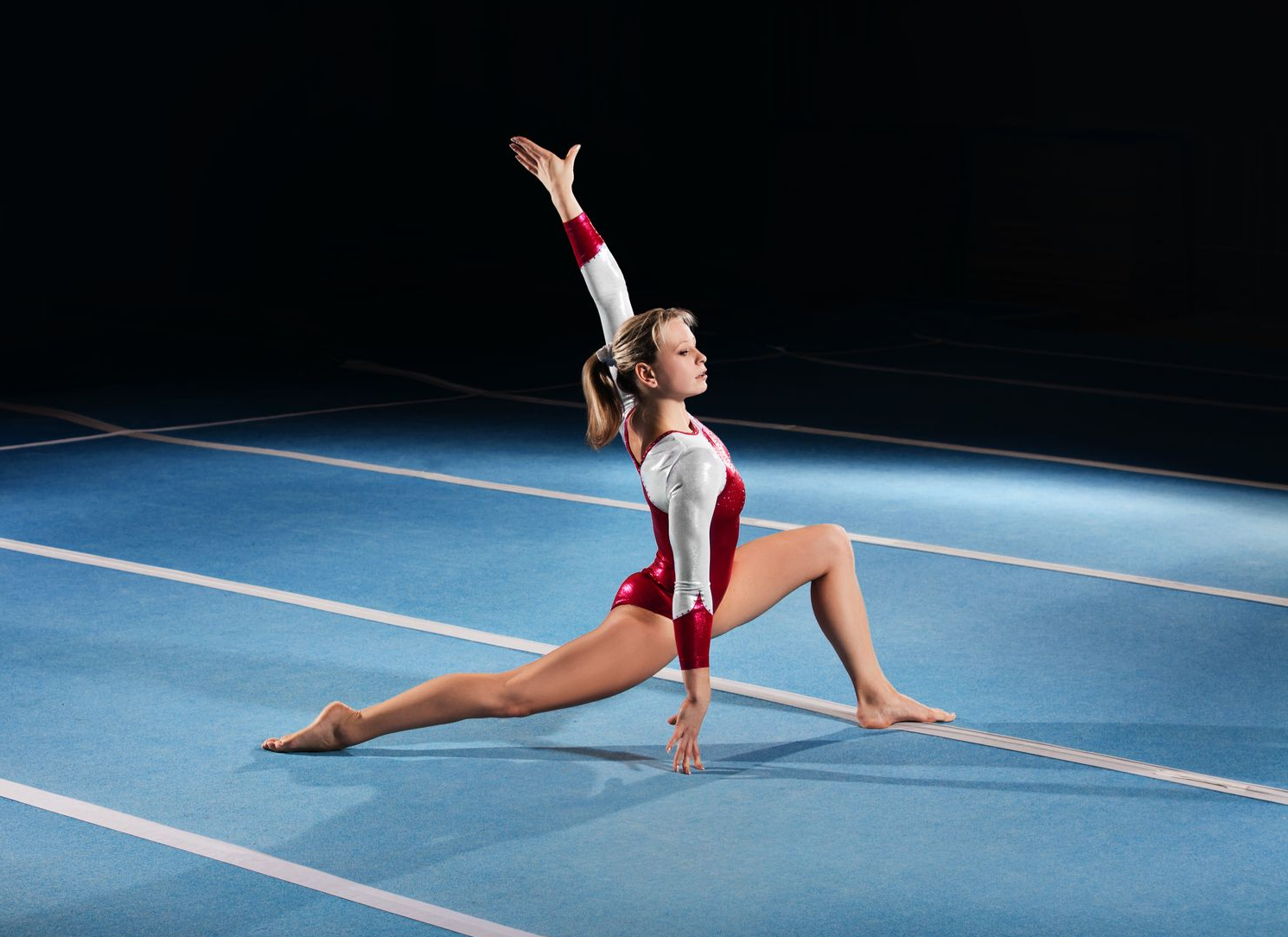
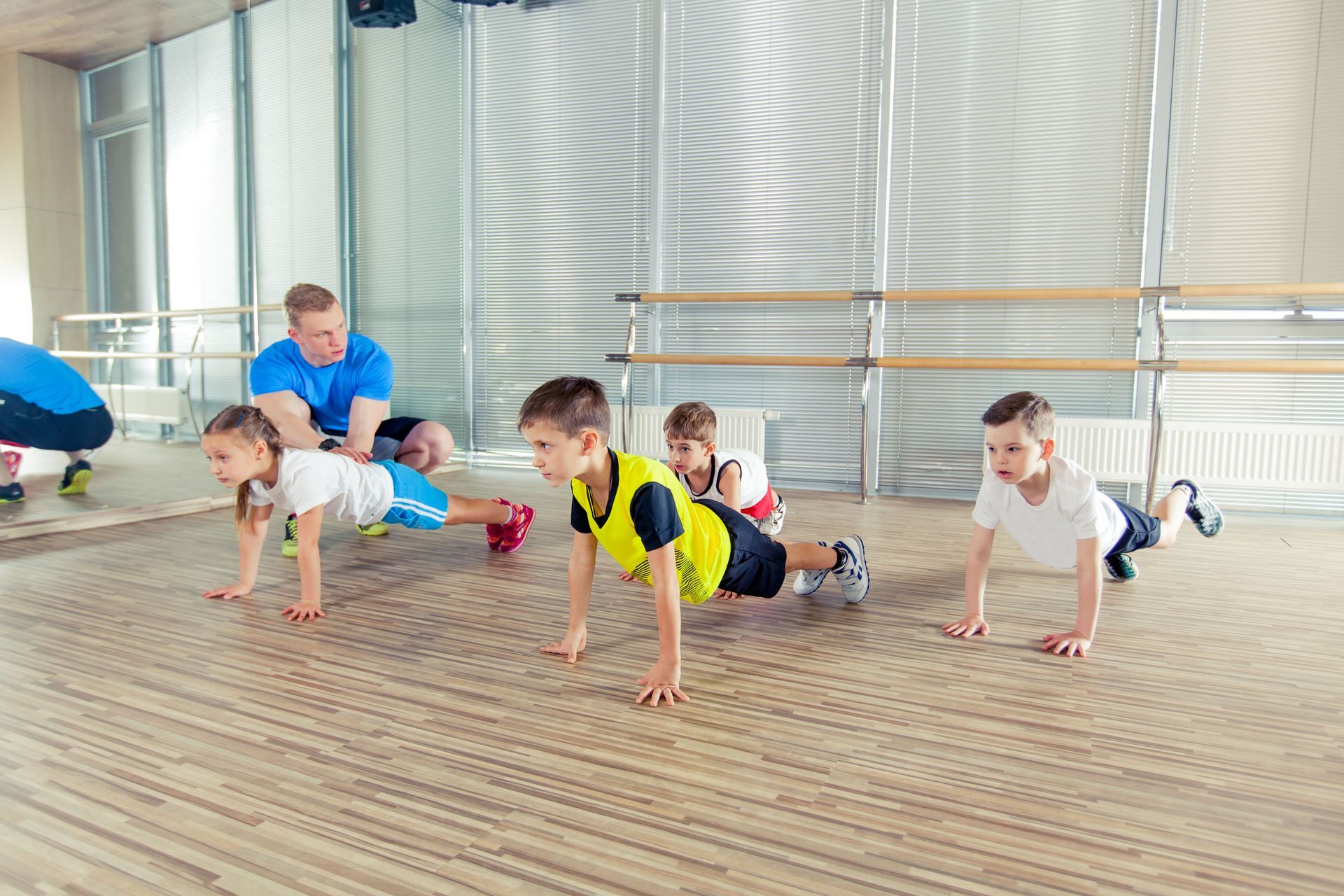
A gymnastics program provides children with a full-body workout that promotes strength, flexibility, and coordination. From the first beginner class to more advanced levels, young participants engage in exercises that build strong muscles, enhance endurance, and encourage cardiovascular health. Unlike many sports that focus on specific areas of the body, gymnastics develops a well-rounded physique, which can support children in other activities such as swimming, soccer, or dance.
Flexibility is a key benefit of a gymnastics program. Children perform a variety of stretching routines that increase their range of motion and improve joint function. Developing flexibility at a young age reduces the risk of injury, enhances posture, and allows for better performance in both sports and everyday activities. Over time, children who participate in gymnastics often notice improved agility and balance, which contributes to overall physical confidence.
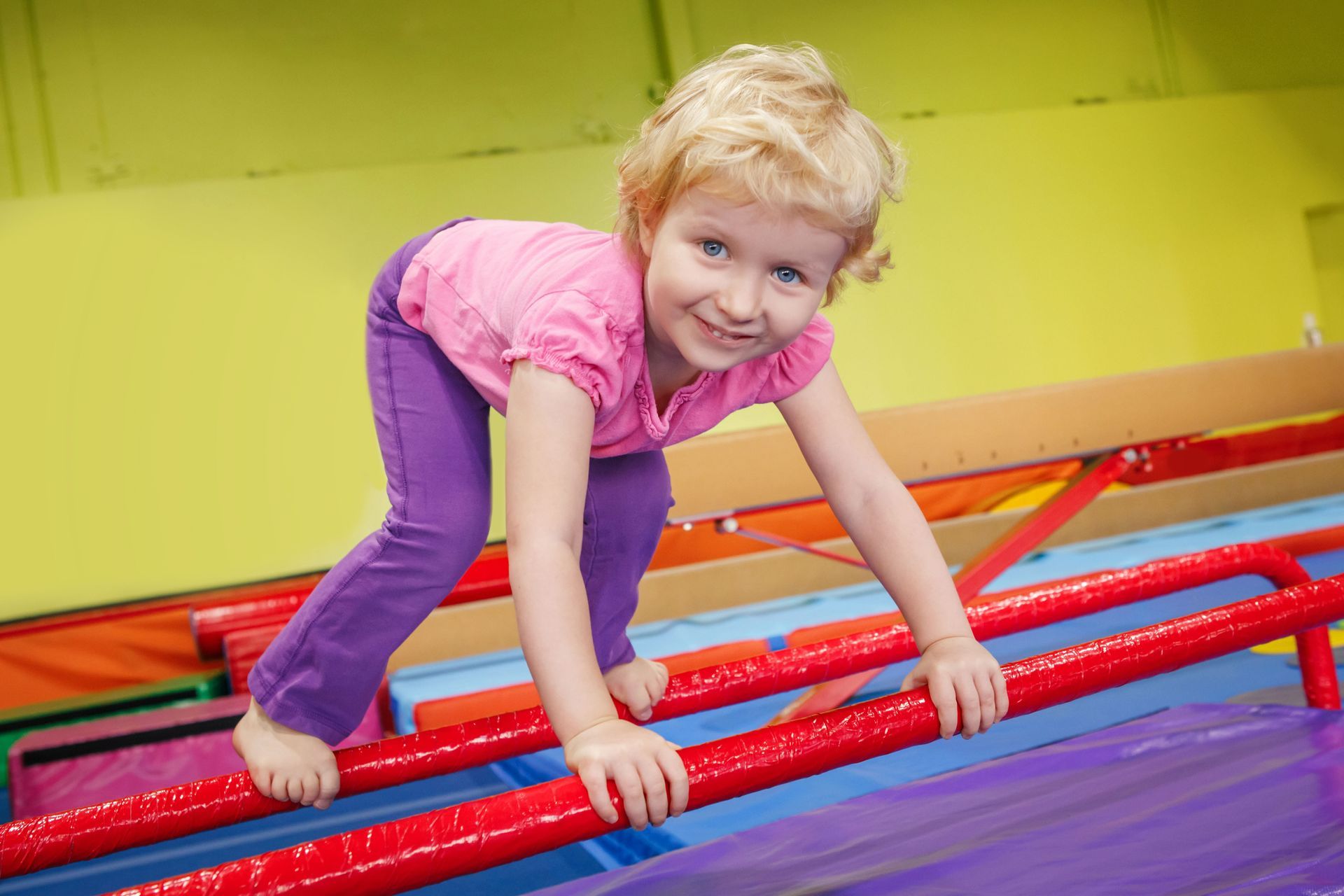
Coordination and balance are also central to a gymnastics program. Learning to control body movements while performing skills on beams, bars, or during floor routines teaches children awareness of their bodies in space. These skills support not only athletic performance but also daily activities, helping children gain confidence in their physical abilities. A gymnastics program offers a structured, age-appropriate approach to mastering these foundational skills.
What Are the Social Benefits of a Gymnastics Program for Children?
Gymnastics programs are more than just physical activity—they are a hub for social growth. Children learn teamwork, cooperation, and communication as they participate in group exercises, partner activities, and team events. Even in an individual-focused sport like gymnastics, children benefit from collaborating with classmates, offering support, and celebrating one another’s achievements.
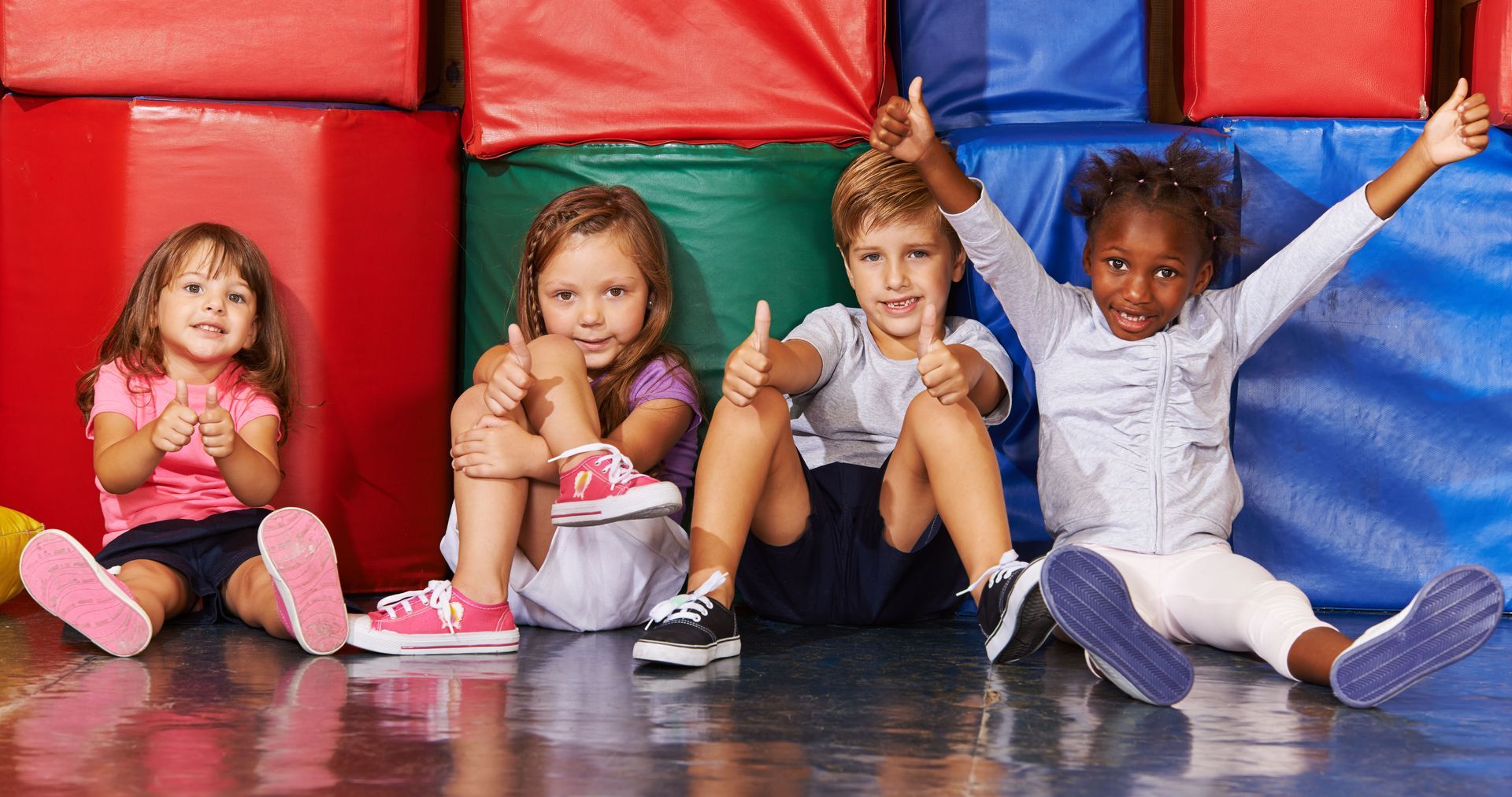
Friendships naturally develop in a gymnastics program, fostering a sense of belonging and community. Children often bond over shared goals, such as mastering a cartwheel or performing in a group routine. These early social connections teach valuable skills like empathy, patience, and encouragement. For many children, the gymnastics community becomes an important source of confidence and emotional support.
Participation in gymnastics events, exhibitions, or friendly competitions also strengthens community engagement. Parents and families often attend performances, helping children feel proud of their accomplishments. Being part of a gymnastics program teaches children how to contribute to a team while developing friendships that extend beyond the gym.
Can a Gymnastics Program Help With Mental Health in Children?
A gymnastics program offers numerous mental health benefits for children. Physical activity is well-known to reduce stress and anxiety, and gymnastics provides a unique combination of movement, focus, and discipline that supports emotional well-being. The structured routines and skill-building exercises encourage children to develop resilience and cope with challenges positively.
Confidence-building is one of the most important mental health benefits of a
gymnastics program. As children progress through classes and master new skills, they experience a sense of accomplishment that strengthens self-esteem. Learning to overcome fear—whether it’s trying a new skill on the beam or performing in front of a group—helps children develop courage and self-assurance that can benefit them in school and everyday life.
A gymnastics program also encourages concentration and focus. Each exercise and routine requires attention to detail, timing, and body positioning, helping children cultivate mindfulness and mental clarity. These skills support learning and emotional regulation, giving children tools to manage stress and approach challenges with a calm, focused mindset. Gymnastics provides a safe, enjoyable outlet for energy, emotions, and creativity, contributing to overall mental health.
What Is the Impact of Gymnastics Programs on Children’s Academic Performance?
Research suggests a positive connection between participation in physical activity and academic achievement, and a gymnastics program can play a role in this link. Gymnastics develops skills such as memory, sequencing, and attention to detail, which are directly transferable to the classroom. Children who regularly participate in a gymnastics program often demonstrate stronger focus, better problem-solving abilities, and improved organizational skills.
The confidence children gain from mastering new skills in gymnastics can also enhance academic performance. Children who feel capable in their physical abilities are more likely to approach learning challenges with the same determination and resilience. Additionally, gymnastics teaches children to set goals, track progress, and persevere through setbacks—habits that foster a growth mindset in academics and beyond.
A gymnastics program also helps children manage their time effectively. Balancing practice sessions, schoolwork, and family life teaches children valuable skills in planning and prioritization. This combination of physical, mental, and social development makes gymnastics a holistic program that supports both personal growth and educational success.
What Should Parents Look for When Choosing a Gymnastics Program?
Selecting the right gymnastics program for a child is essential to ensure safety, enjoyment, and long-term engagement. Quality coaching is a top consideration. Coaches who are experienced, trained in child development, and knowledgeable about safety techniques provide children with proper guidance and encouragement. Positive, supportive coaches help children build confidence while learning new skills at an appropriate pace.
Facilities and equipment are another critical factor. A safe, clean, and well-maintained gymnastics center with appropriate equipment allows children to practice skills effectively and minimizes the risk of injury. From mats and balance beams to bars and foam pits, access to modern equipment is essential for a comprehensive gymnastics experience. Programs should also have clear safety protocols, including proper supervision and emergency preparedness.
Program structure and curriculum should be tailored to children’s age and skill level. A progressive program that allows children to advance at their own pace keeps them motivated while encouraging them to reach new milestones. It’s important to choose programs that balance skill development with enjoyment, creating a positive, supportive environment where children feel confident and inspired to participate. The right program fosters both learning and fun, helping children build a love for gymnastics while developing important physical and social skills.
Finally, the social atmosphere of the program is important. Children thrive in environments where encouragement and teamwork are emphasized alongside individual skill growth. A gymnastics program that fosters community, inclusivity, and positive reinforcement helps children enjoy the experience while developing lifelong skills.
Enrolling children in a gymnastics program offers extensive benefits, from physical fitness and improved coordination to mental well-being and social growth. Young participants gain confidence, learn important life skills, and often experience academic advantages as they progress through structured training. With millions of children participating in organized sports nationwide, the value of structured athletic programs is clear. By choosing the right gymnastics program, parents provide their children with opportunities for personal growth, skill development, and enjoyment that extend far beyond the gym. If you're looking to get your child involved in the exciting world of gymnastics, reach out to Precizion 509 Gymnastics today!

Share On: