Ways a Gymnastics Programs Support Kids at Every Level
Fostering physical health, emotional resilience, social confidence, and cognitive development in youth represents a fundamental goal for parents and educators alike. During developmental years, children require positive outlets that challenge their physical capabilities while nurturing their mental fortitude and self-esteem. Engaging in structured physical activities offers a powerful foundation for lifelong wellness, personal discipline, and healthy social interaction. Among the vast array of athletic opportunities available today, movement-based athletic instruction stands out as a uniquely comprehensive discipline that benefits participants across every stage of growth. According to Project Play, a U.S. youth sports report found 27.3 million kids ages six to 17 participated in organized sports in 2023, which equals 55.4% of that age group. Participating in structured gymnastics programs introduces young athletes to fundamental movement patterns that enhance spatial awareness, core strength, flexibility, and physical coordination. Whether a toddler is taking their very first tentative steps across a padded balance beam or an advanced adolescent athlete is perfecting high-flying acrobatic routines, structured athletic training adapts to meet individual developmental needs. Exploring how comprehensive athletic instruction supports children across diverse skill levels empowers families to make inspired choices regarding youth athletic enrichment. Investing in foundational movement education establishes a secure groundwork for physical athletic excellence, emotional maturity, and lasting personal confidence. Taking time to understand the benefits of structured athletic instruction helps parents make confident choices regarding youth enrichment.
Developing Foundational Motor Skills and Enhancing Physical Coordination
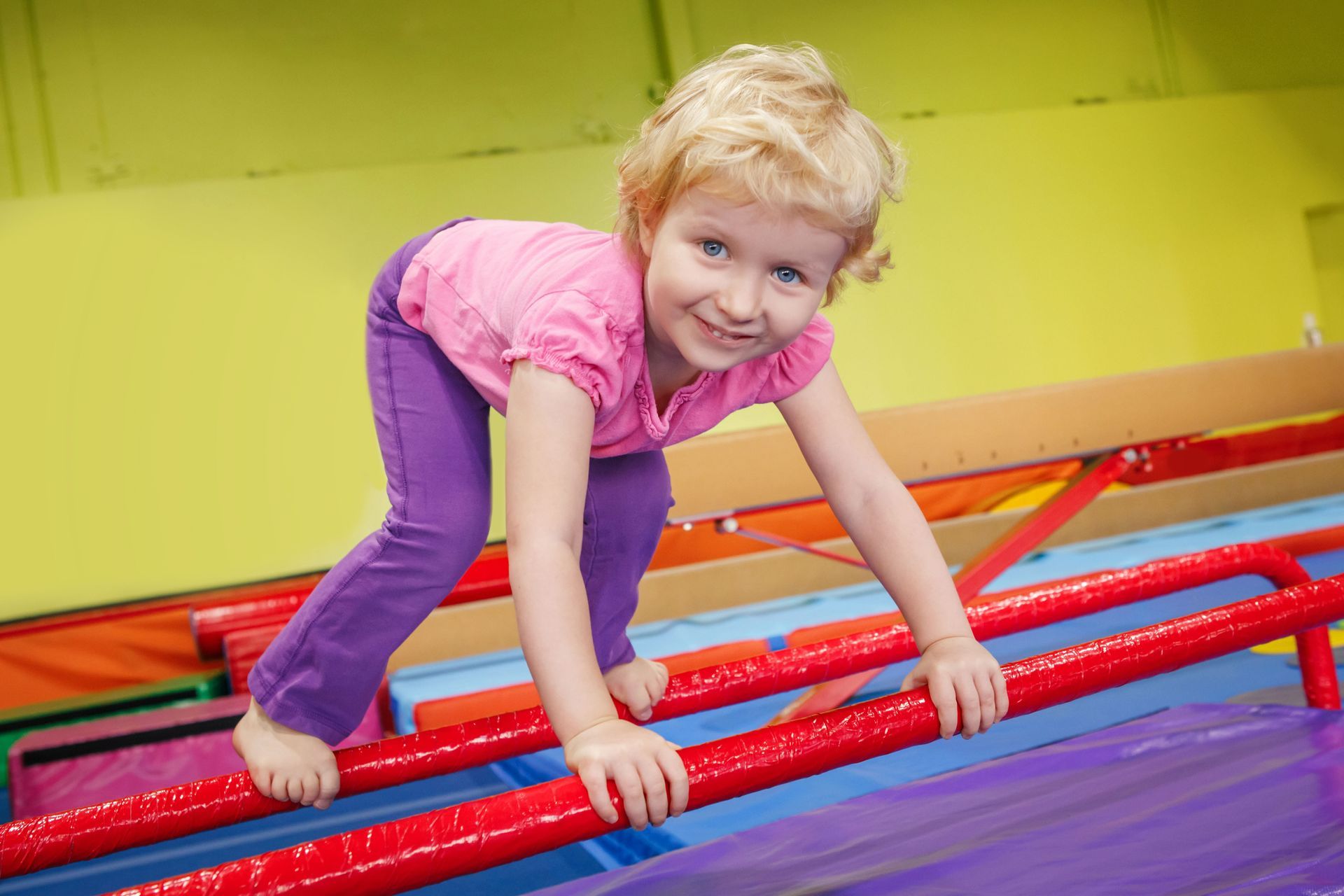
Nurturing physical coordination during early childhood lays the groundwork for all future athletic endeavors, spatial awareness, and everyday bodily control. Early childhood movement classes focus on fundamental gross motor skills, encouraging young participants to climb, roll, jump, swing, and balance in safe, cushioned environments. Enrolling young children in structured gymnastics programs introduces them to purposeful movement challenges that stimulate neurological development and refine physical reflexes. Instructors utilize colorful foam blocks, low balance beams, and soft landing mats to teach basic body control, balance, and spatial orientation. Furthermore, learning proper landing techniques and fall protection methods protects young bodies against accidental injuries during everyday play activities. Mastering basic physical movements instills early movement confidence, encouraging children to view physical exercise as a joyful, rewarding aspect of daily life. Building early physical coordination empowers toddlers and young children to explore their physical environment with safety, curiosity, and joyful enthusiasm. Utilizing specialized foam shapes and adjustable balance beams allows young athletes to experiment with spatial boundaries safely. Structured motor instruction creates an unyielding physical foundation for future athletic endeavors.
Cultivating Mental Discipline and Fostering Emotional Resilience
Navigating multi-step athletic skills requires deep cognitive focus, emotional patience, and persistent determination when facing challenging physical obstacles. Learning complex athletic maneuvers—such as cartwheels, handstands, or balance beam routines—demands that athletes break down movements into precise sequential steps. Participating in progressive gymnastics programs teaches children the value of disciplined practice, showing them that success stems from persistent effort rather than immediate perfection. Facing physical challenges helps young athletes overcome fear, manage performance anxiety, and embrace temporary setbacks as valuable learning opportunities. Furthermore, receiving constructive feedback from supportive coaches fosters a healthy growth mindset, encouraging participants to celebrate incremental progress. Developing mental discipline and emotional grit inside the gym translates directly into classroom academic success, personal problem-solving capabilities, and emotional self-regulation. Cultivating psychological fortitude empowers young athletes to approach life's obstacles with calm determination, confidence, and unwavering perseverance. Overcoming mental hurdles builds emotional courage that benefits children far beyond the gym. Supportive coaching encourages athletes to celebrate small victories.
Boosting Core Physical Strength and Improving Body Flexibility
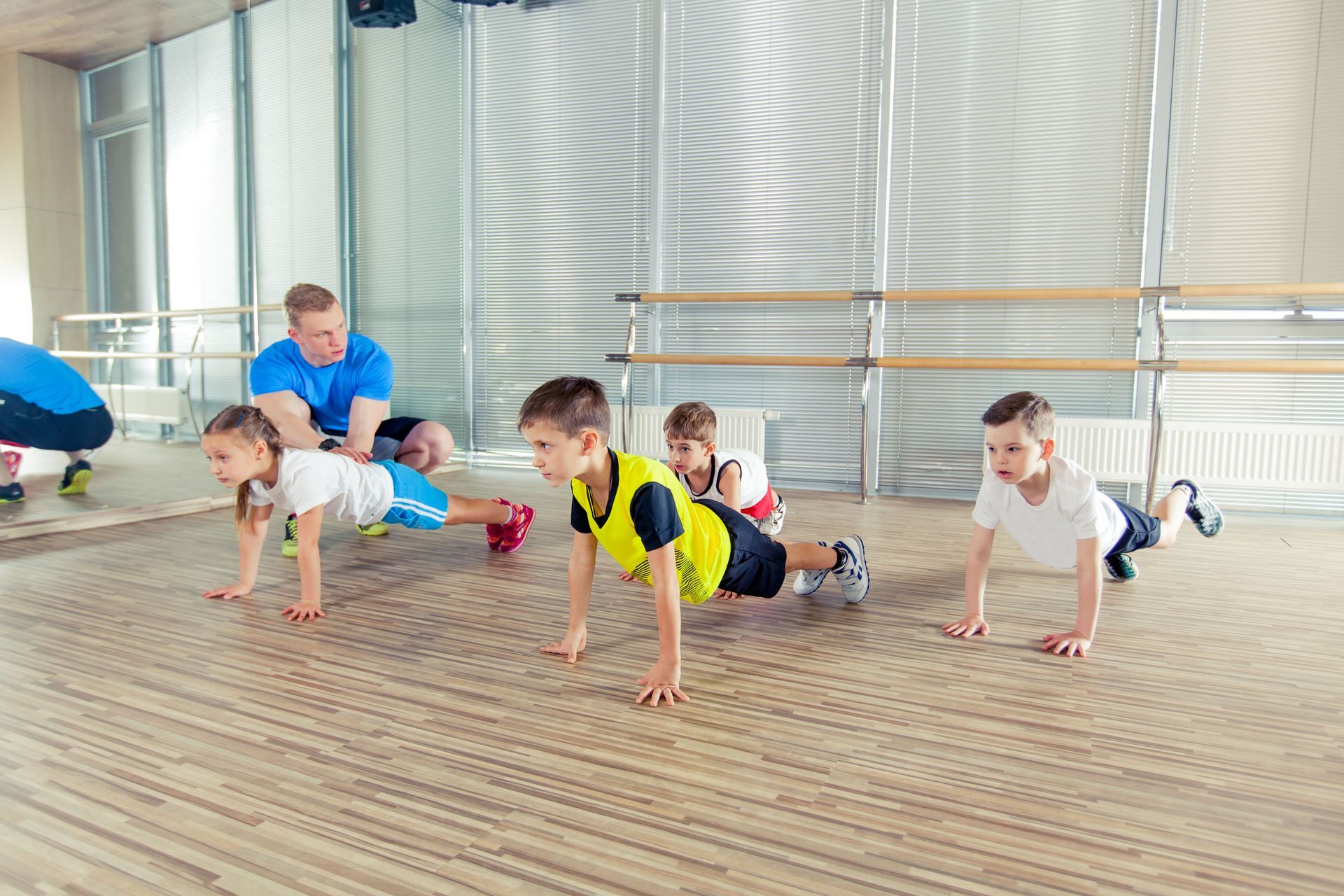
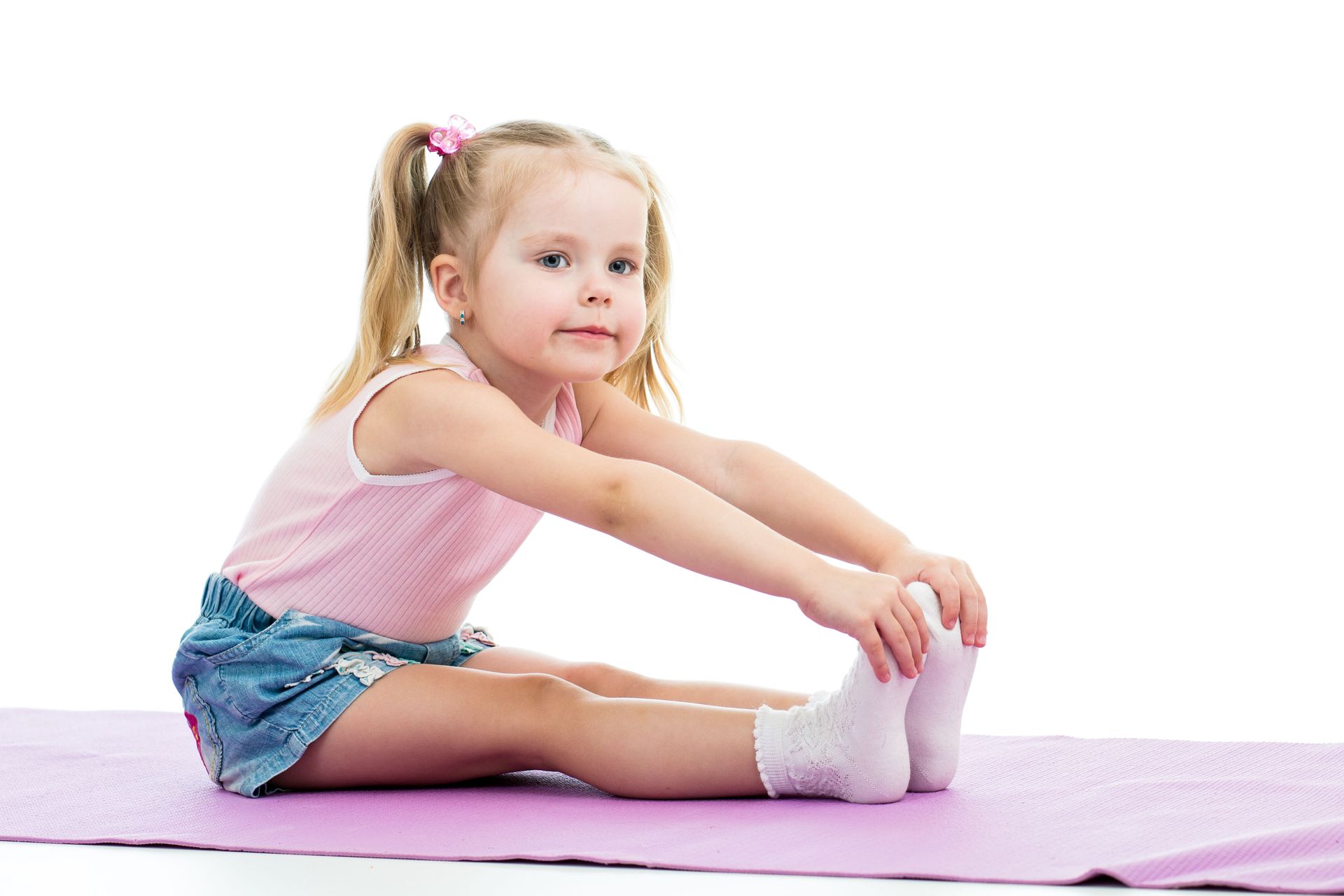
Developing muscular strength and joint flexibility remains essential for maintaining physical health, supporting posture, and preventing athletic injuries. Comprehensive athletic instruction utilizes progressive bodyweight conditioning exercises, including plank holds, leg lifts, hollow holds, and pull-ups to build balanced muscular strength. Engaging in comprehensive gymnastics programs ensures that athletes develop exceptional core stability, upper body power, and leg resilience naturally through dynamic movement. Furthermore, structured daily stretching routines enhance joint mobility, lengthen muscle fibers, and improve hamstring flexibility across all skill levels. Balanced physical strength and flexibility protect developing bones and joints from overuse injuries, supporting healthy physical growth throughout childhood and adolescence. Athletic conditioning also enhances cardiovascular health and metabolic endurance, ensuring that participants maintain high energy levels throughout daily activities. Building balanced muscular strength and flexibility creates a resilient physical framework that benefits young athletes across every sport they pursue. Core conditioning strengthens stabilizing muscles around the spine, improving posture. Developing physical strength safeguards growing bodies against joint stress.
Enhancing Social Interaction and Supporting Teamwork Dynamics
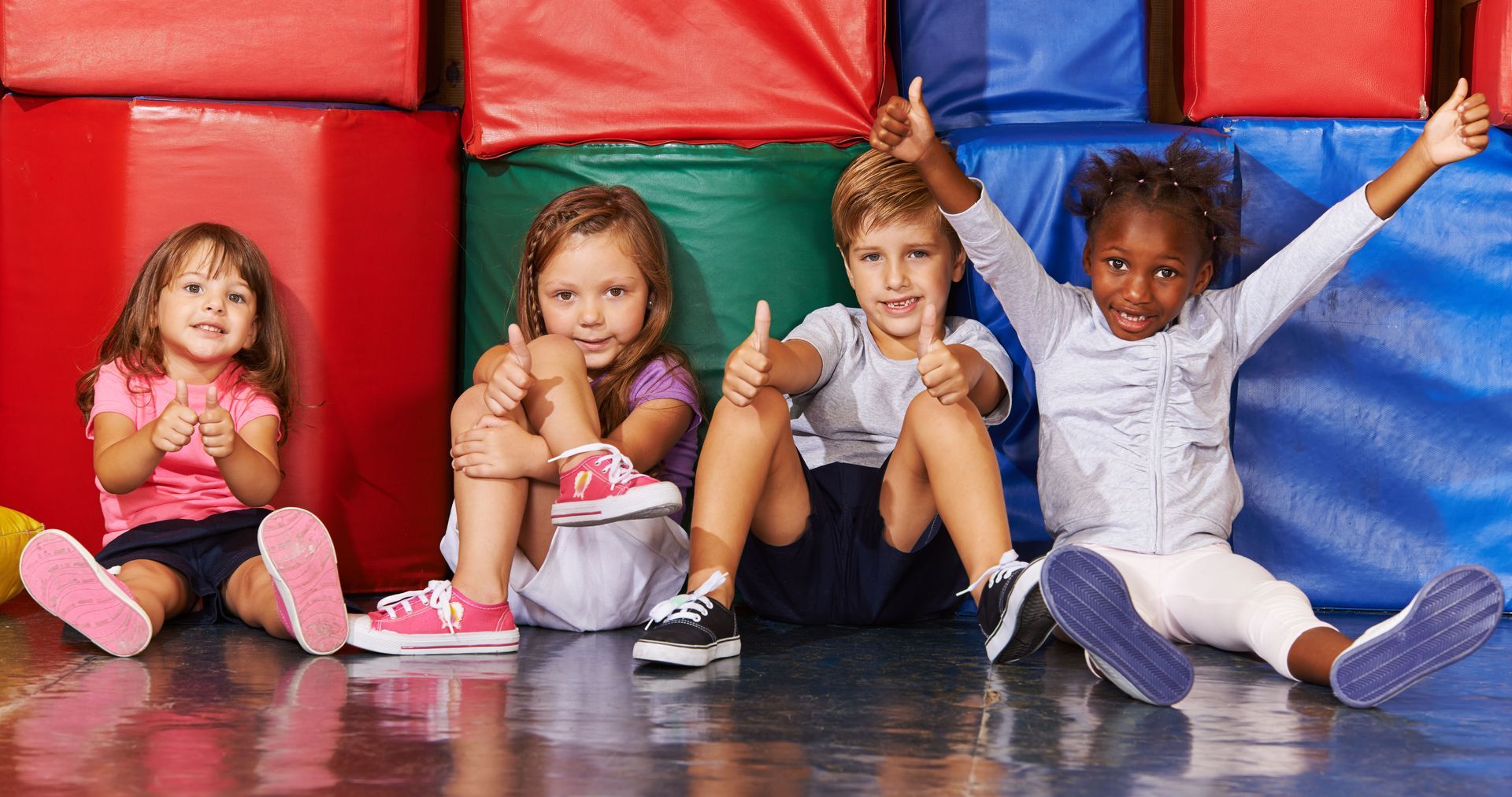
Engaging in group athletic instruction provides rich social opportunities for children to build lasting friendships, practice active empathy, and master collaborative dynamics. Although athletic performance often highlights individual execution, group training environments rely heavily on mutual encouragement, shared goals, and collaborative support. Sourcing inclusive gymnastics programs connects young athletes with diverse peer groups, creating supportive communities where children cheer for each other's achievements and offer comfort during challenging moments. Group class structures teach participants important social etiquette, such as taking turns, respecting personal boundaries, listening attentively to instructor directives, and supporting teammates during group conditioning circuits. Furthermore, collaborative partner drills and team events foster mutual trust and collective accountability among training partners. Developing positive social skills in supportive athletic settings enhances peer communication, reduces social anxiety, and reinforces the importance of uplifting community culture. Working together during group conditioning circuits teaches children mutual respect and collective accountability in a positive atmosphere. Inclusive class environments foster genuine peer encouragement.
Accelerating Competitive Readiness and Refining Complex Technical Precision
Guiding advanced athletes toward elite competitive levels requires specialized technical instruction, meticulous routine choreography, and strategic physical conditioning. High-level competitive training demands precise execution across specialized apparatus, including floor exercise mats, vault runways, uneven bars, and balance beams. Participating in advanced gymnastics programs provides dedicated athletes with expert coaching tailored to master complex acrobatic skills, twisting vault entries, and intricate bar transitions. Coaches utilize video analysis, specialized safety harnesses, and gradual skill progressions to ensure that competitive athletes execute advanced maneuvers with maximum precision and physical safety. Furthermore, competitive training teaches athletes strategic mental visualization, time management, and routine composition designed to satisfy official scoring criteria. Refining technical precision under expert guidance prepares athletes for local, regional, and national competitive meets while instilling professional standards of sportsmanship. Supporting competitive excellence unlocks an athlete's full potential, paving pathways toward elite collegiate opportunities and lifelong athletic achievement.
Supporting youth development through structured movement education yields transformative benefits across foundational motor skills, mental discipline, physical strength, social interaction, competitive technical precision, and lifelong wellness habits. Providing progressive athletic instruction ensures that toddlers, recreational enthusiasts, and elite competitive athletes receive tailored support aligned with their unique personal goals. Protecting youth health with comprehensive movement training builds core body balance, enhances spatial awareness, cultivates emotional grit, and fosters supportive community friendships. Investing time in evaluating quality athletic instruction transforms early physical play into a lifelong foundation for personal excellence, resilience, and joy. Prioritizing structured physical enrichment empowers young people to navigate life's journeys with strength, grace, and unshakable confidence. Proactive athletic instruction safeguards youth well-being.
At Precizion 509 Gymnastics, our dedicated team brings deep athletic expertise, state-of-the-art training equipment, and an unwavering commitment to youth development across every class we offer, ensuring your child receives inspiring instruction, complete physical safety, and personal growth at every level. Contact us today or visit our state-of-the-art facility to explore our progressive class options and discover the lasting benefits of expert movement instruction for your family.

Share On: