Why Preschool Gymnastics Is a Fun First Step for Little Athletes
The early years of a child's development are marked by remarkable curiosity, boundless energy, and an eager desire to explore the physical world. During this formative stage, finding an outlet that channels high energy into constructive development can feel like a challenge for parents. Enrolling toddlers in preschool gymnastics offers a structured yet playful environment where young movers can explore balance, coordination, and strength while discovering the sheer joy of physical activity. It serves as a foundational platform that introduces basic athletic concepts through play, helping little ones build a well-rounded set of physical and emotional skills that support them for years to come.
Building Physical Strength and Coordination
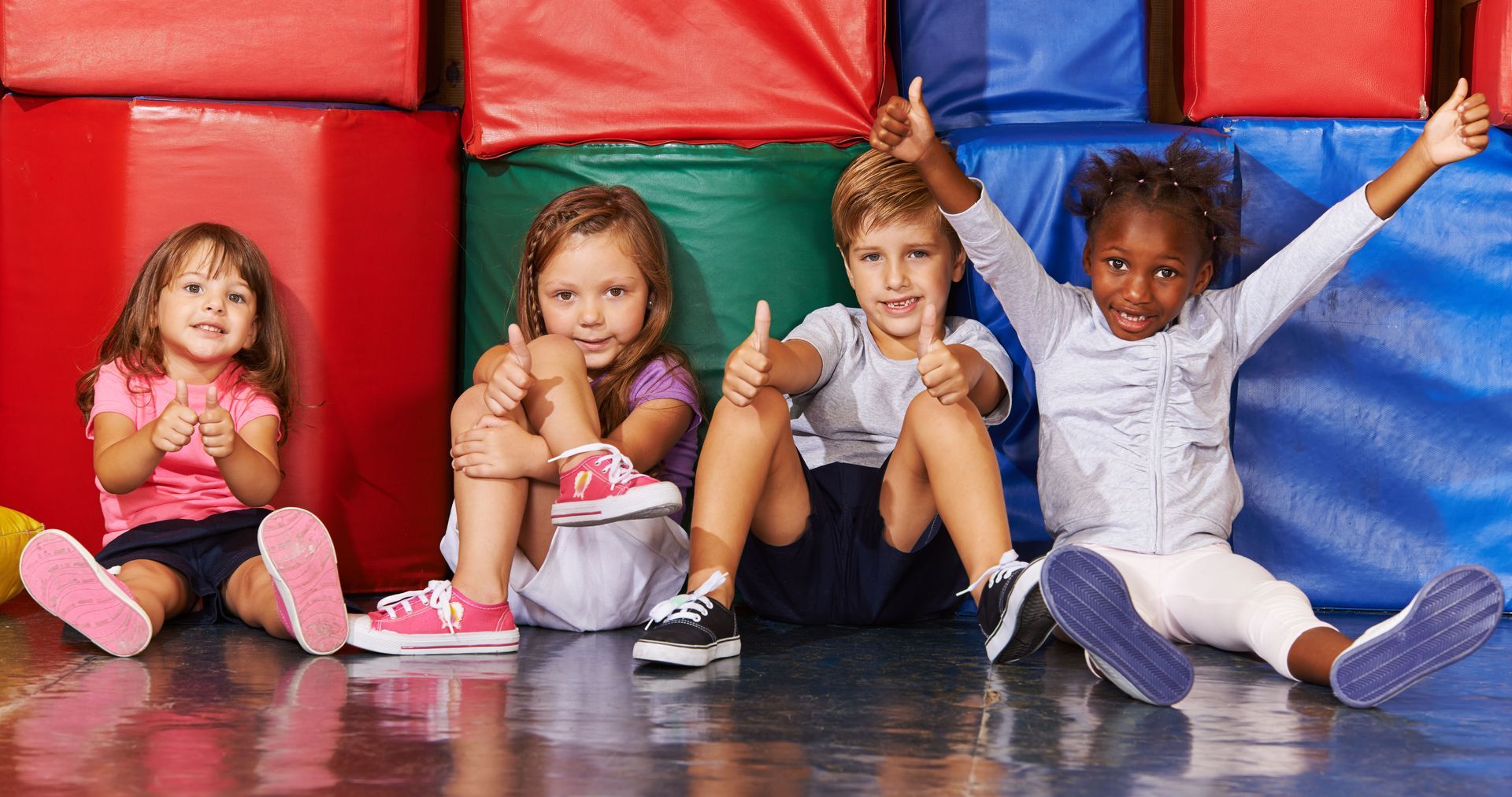
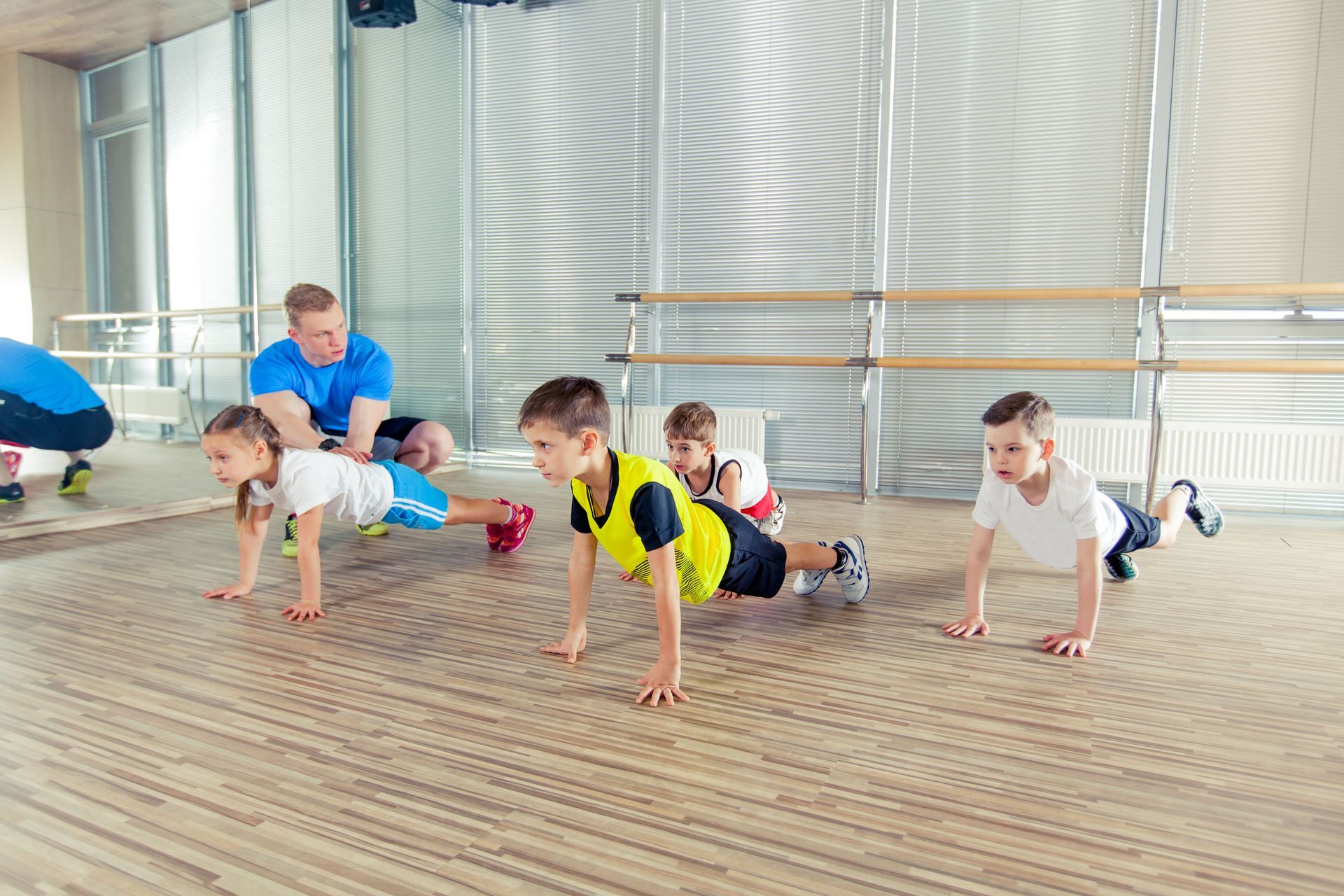
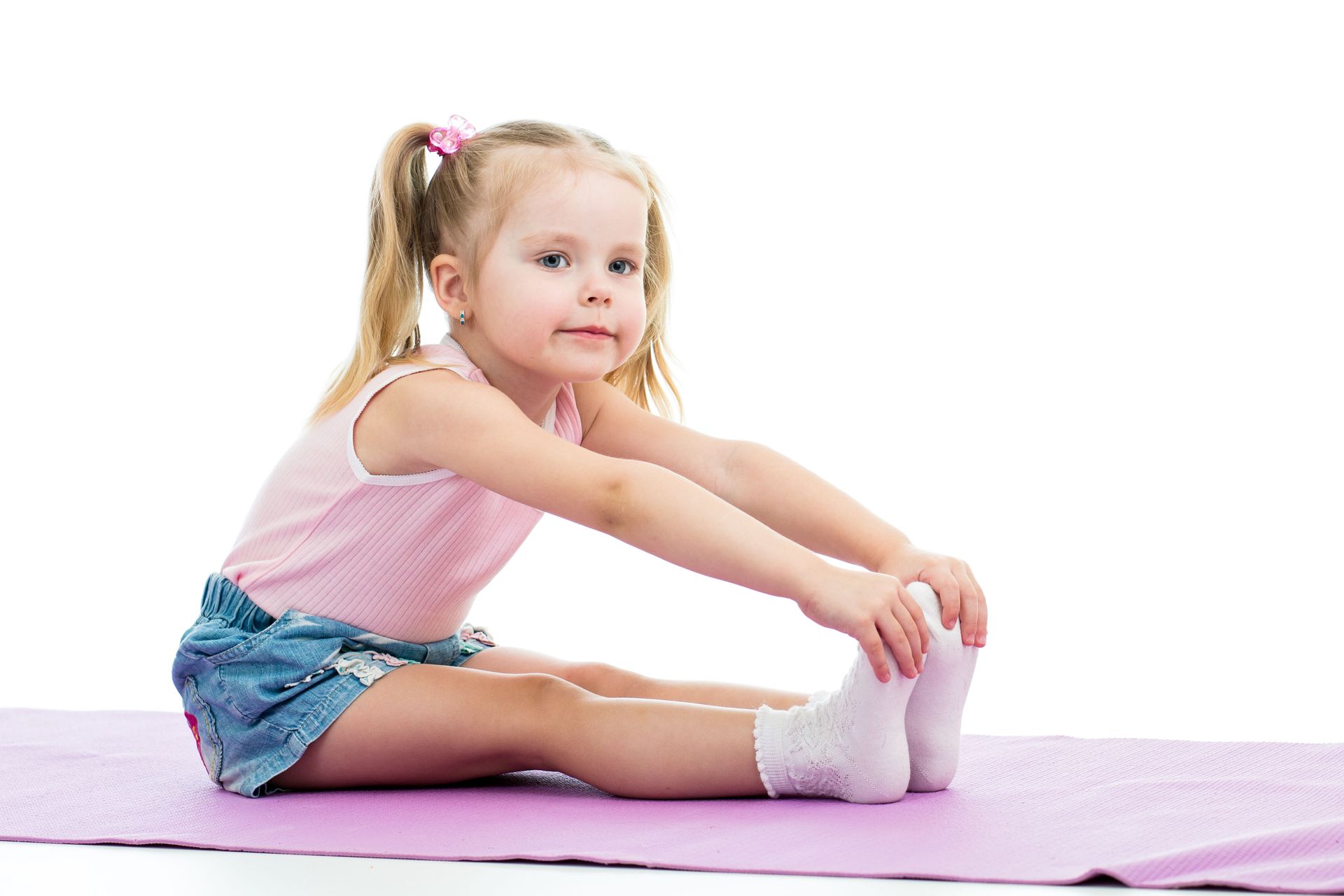
When young children enter a gym, preschool gymnastics serves as a foundation for gross motor development by introducing fundamental movement patterns that are essential to all sports. Toddlers naturally love to climb, jump, roll, and hang, and a gym environment provides a safe, padded space tailored specifically to these instincts. Through guided exercises, young athletes work on fundamental movement skills like galloping, skipping, balancing on a low beam, and performing forward rolls. These movements strengthen core muscles, improve posture, and enhance overall balance, which are crucial components for early physical milestones.
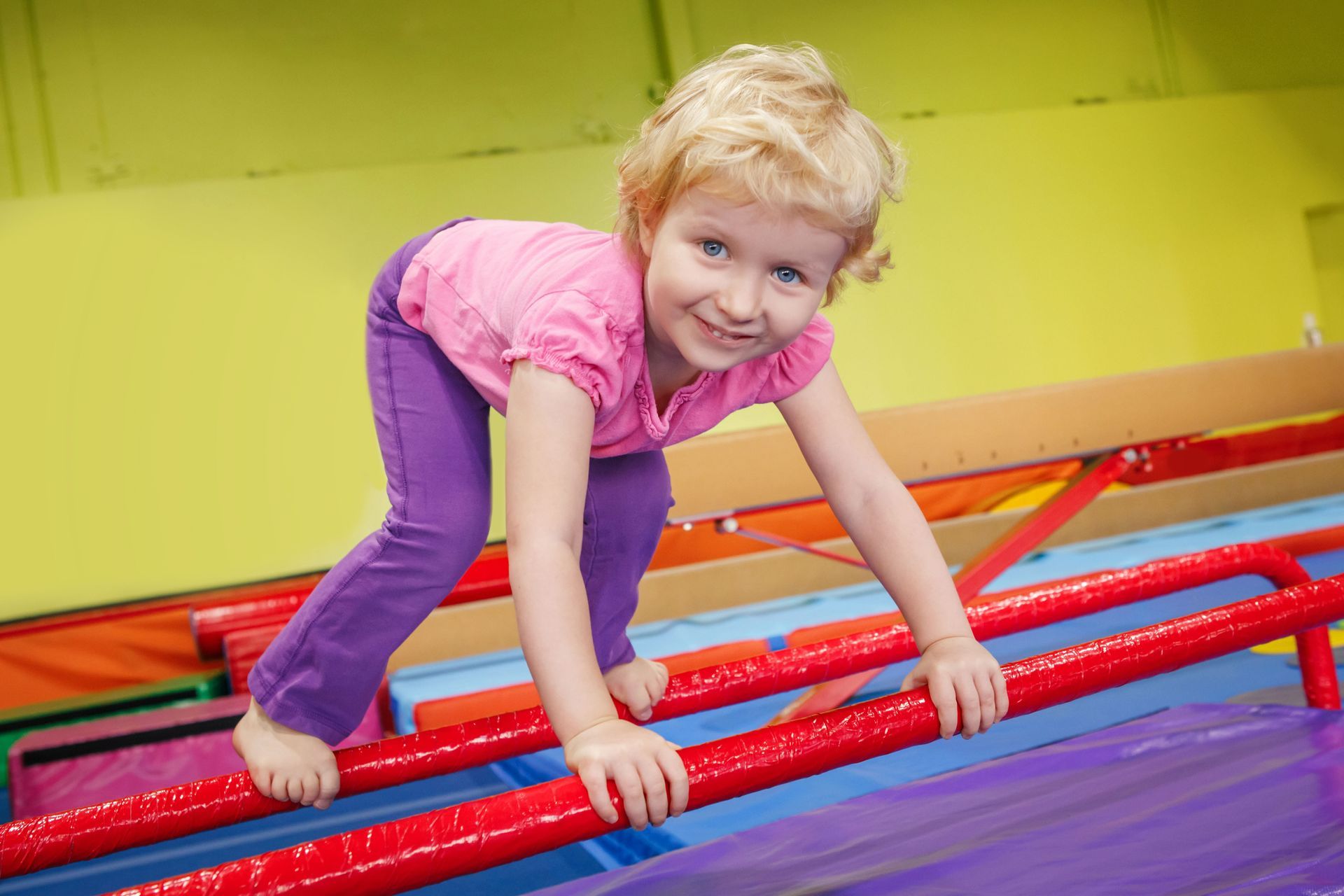
As children navigate obstacle courses, balance beams, and foam pits, they learn how to control their bodies in space. Muscle memory begins to form through simple, repeatable activities that challenge their agility and flexibility. According to ResearchGate, more than 600,000 children across the United States take part in club-level and school-sponsored gymnastics programs each year. This widespread participation highlights how deeply ingrained gymnastics is in youth athletics, starting from the earliest introductory levels. By mastering basic physical challenges early on, young children gain a heightened sense of kinesthetic awareness, which translates directly to improved spatial orientation and physical safety during everyday play.
Developing Social and Emotional Skills
Beyond the obvious physical benefits, participating in preschool gymnastics offers early opportunities for social growth that mirror the dynamics of early childhood classrooms. Young children learn essential social norms, such as waiting their turn in line, listening to simple instructions from an adult instructor, and sharing equipment with peers. These social interactions help children learn self-regulation, as they must manage the excitement of jumping on a trampoline with the patience needed while waiting for their turn.
Instructors create a supportive group atmosphere where young athletes learn to cheer for their classmates when they accomplish a new move. This early exposure to teamwork and positive peer encouragement fosters empathy and cooperative play. Children also learn how to handle minor setbacks, such as losing their balance on a beam or taking a soft tumble onto a mat. Under the guidance of patient coaches, these small moments become gentle lessons in resilience, teaching little ones that falling is simply a natural step in the process of learning something new.
Boosting Cognitive and Spatial Awareness
The mental engagement required in preschool gymnastics supports overall cognitive expansion by constantly challenging the brain to process spatial relationships and body mechanics. Movement and cognitive growth are deeply connected during early childhood. When a child learns to navigate an obstacle course, their brain must quickly compute distances, assess height, judge timing, and plan the sequence of movements. This process strengthens neural pathways related to spatial intelligence and problem-solving skills.
Complex motor activities, such as crossing the body's midline during cross-body rolls or monkey bar hanging, stimulate both hemispheres of the brain. This bilateral integration is directly linked to enhanced reading readiness, visual tracking, and spatial orientation in academic settings later in life. Instructors often incorporate songs, counting, color identification, and directional games into physical circuits, turning abstract concepts into concrete physical experiences. As children follow multi-step directions—such as stepping on the green pad, hopping three times, and rolling on the blue mat—they practice working memory and focus in an active, fun context.
Fostering Confidence and Courage
Trying new physical challenges during preschool gymnastics classes gently pushes young children out of their comfort zones in a safe and supportive setting. A high balance beam or a high bar can initially seem intimidating to a toddler. However, breaking complex movements into tiny, manageable steps allows children to experience continuous small victories. Scaling a soft foam mountain, holding a tuck position, or jumping off a block into a pit gives children a real sense of personal accomplishment.
This steady build-up of small successes develops genuine self-esteem rooted in effort and capability. When a child overcomes initial hesitation and masters a physical task, their self-belief grows substantially. This newly discovered confidence often carries over into other areas of their daily lives, helping them feel more comfortable trying new activities at school, making new friends, or tackling new challenges without fear of failure. The gym becomes a positive testing ground where bravery is celebrated, and effort is rewarded.
Establishing Lifelong Healthy Habits
Long-term physical health begins with positive early experiences, and preschool gymnastics provides the perfect springboard for an active life by framing exercise as an enjoyable adventure rather than a chore. Establishing a positive relationship with fitness at a young age sets the stage for healthy habits throughout childhood and adulthood. By associating physical exertion with play, laughter, and accomplishment, young children develop an intrinsic appreciation for keeping their bodies active and moving.
Furthermore, the fundamental athletic traits developed in gymnastics—such as core strength, flexibility, power, balance, and spatial awareness—are universal. Whether a child continues in gymnastics long-term or eventually transitions to soccer, swimming, dance, basketball, or martial arts, the movement foundation established in early gymnastics classes gives them a distinct advantage. They enter other activities with better body control, stronger muscles, and greater physical adaptability, reducing the likelihood of injury and increasing their enjoyment of any physical activity they choose to pursue.
Enhancing Everyday Life at Home
The value of this early movement foundation extends beyond structured gym sessions into everyday family life. When young children participate in preschool gymnastics, the balance and body control they develop make routine activities like running across a playground, riding a tricycle, or navigating stairs much safer and more fluid. Parents often notice that children who participate in active physical programs sleep more restfully and exhibit better overall mood regulation, as physical play provides a healthy outlet for natural childhood energy.
Moreover, the sense of playfulness built into early physical instruction teaches children to approach physical fitness with curiosity rather than anxiety. By viewing physical movement as a fun, creative space to experiment and learn, toddlers build a positive mental association with active living that stays with them as they grow. Investing in a child's early motor skills creates a solid foundation of agility, emotional resilience, and physical self-assurance that serves them well in every future endeavor.
Creating Joyful Movement Memories
Parents often find that preschool gymnastics provides memories that extend far beyond the gym mat, creating shared moments of celebration and discovery. Watching a young child beam with pride after performing a successful log roll or holding their balance on one foot offers parents a clear window into their child's growing independence and skill. These classes frequently offer a welcoming community where parents can connect while watching their children play and grow.
Early athletic programs are most effective when they prioritize fun, imagination, and personal exploration. By turning exercise into an imaginative playground filled with soft shapes, brightly colored mats, and encouraging instruction, young children are given the freedom to explore what their bodies can do. It transforms movement into a joyful adventure, helping little athletes build the physical strength, mental sharpness, and emotional resilience needed to step confidently into the world. Discover how your child can build strength, confidence, and foundational athletic skills by joining a class at Precizion 509 Gymnastics today.

Share On: