4 Signs Your Child Is Ready for a Preschool Gymnastics Program
As you watch your child turn your living room into a personal obstacle course, you might wonder if it's time to channel that endless energy into something more structured. It's a common crossroads for parents. We see our little ones jumping off couches and balancing on coffee tables, and we immediately think about sports. Organized activities offer an incredible foundation for development, and getting started early can set the stage for a lifetime of healthy habits. According to the National Alliance for Youth Sports, across the United States, approximately 60 million youth are involved in structured athletic programs. If you're looking for the absolute perfect starting point for a young child, a preschool gymnastics program stands out as a premier choice. It builds confidence, coordination, and social skills in an environment specifically engineered for safety and fun.
However, choosing the right moment to transition from home playtime to an official classroom setting can feel tricky. Every child develops at their own unique pace, and chronological age is only part of the equation. You want to ensure they're mature enough to enjoy the experience rather than feeling overwhelmed by it. Fortunately, children drop plenty of hints when they're prepared to take this exciting next step. By paying close attention to their daily physical habits, behavioral shifts, and social interactions, you can easily determine if they'll thrive in a structured setting.
1. Constantly Seeks Physical Challenges
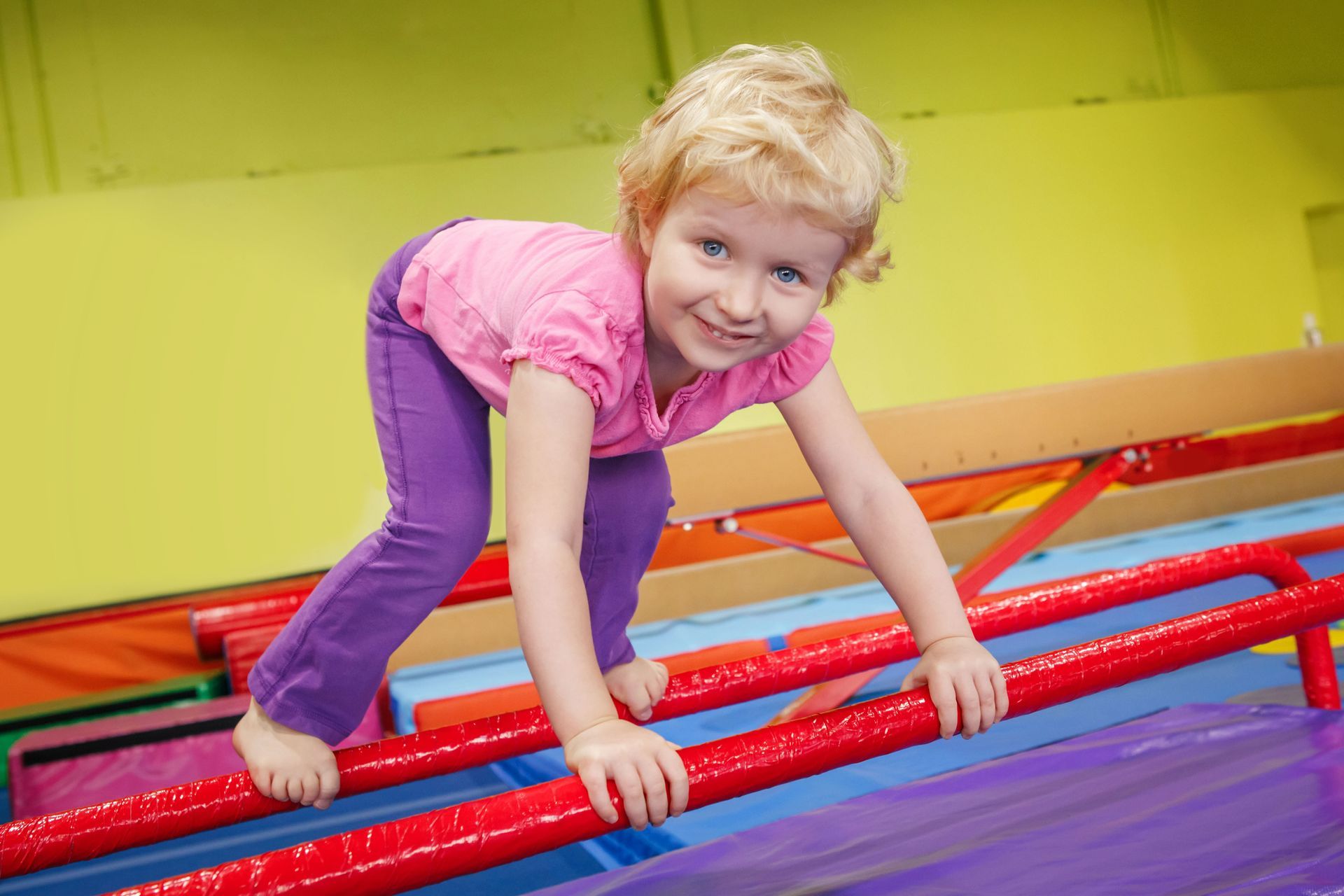
The most obvious signs often manifest in how your child moves through their physical environment every single day. If your toddler treats every park bench like a high-wire balancing act and views the backyard fence as a mountain to climb, their body is practically begging for a structured physical outlet. This relentless desire to test boundaries and explore heights isn't just simple misbehavior; it's a clear developmental milestone. Children at this stage are naturally driven to discover what their bodies can do, and they need a safe space to test those limits. A preschool gymnastics program provides exactly that, offering specialized equipment like low beams, wedge mats, and foam pits that allow them to explore safely.
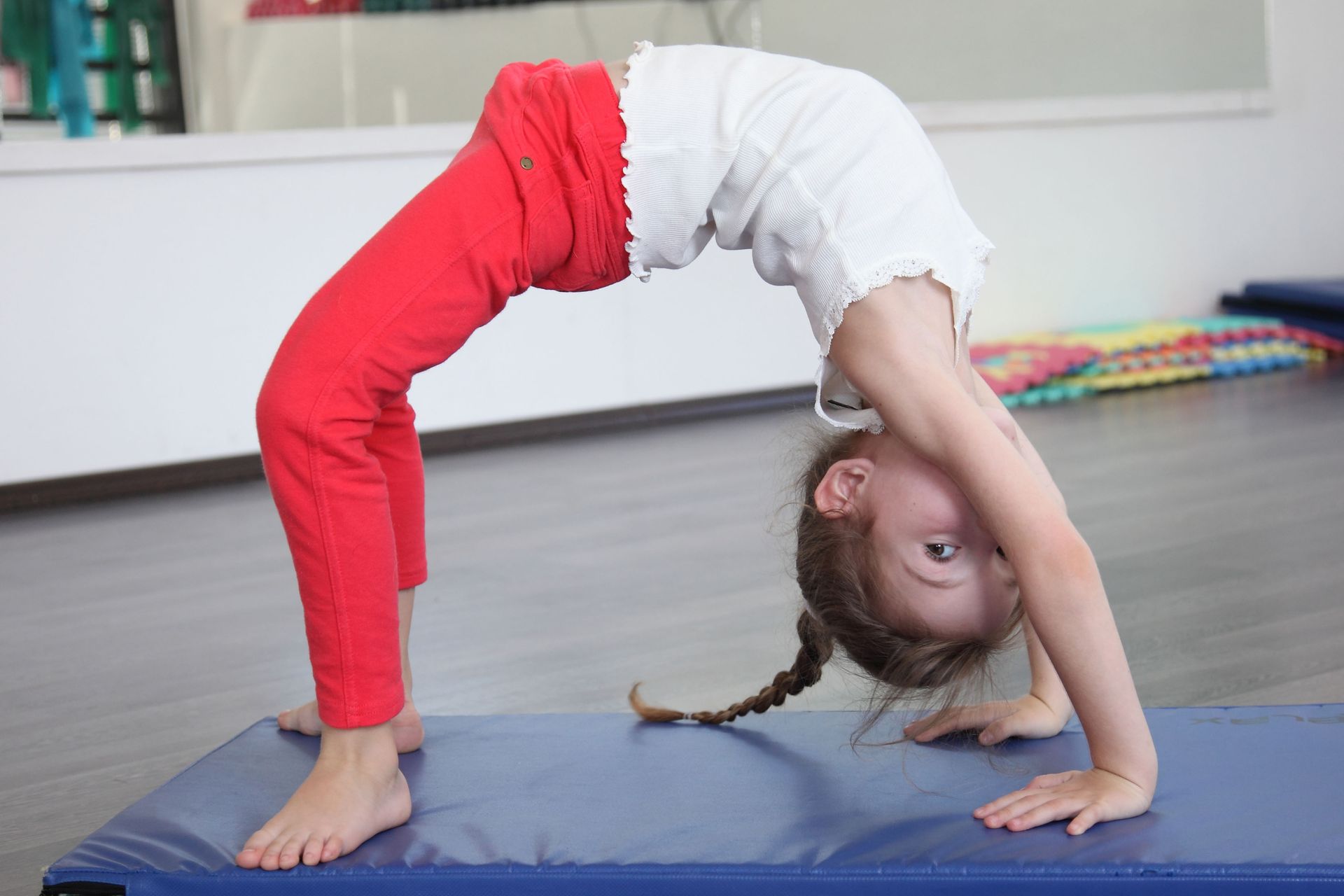
When a child shows this level of fearless physical curiosity, keeping them contained at home can actually become a bit stressful for parents who are constantly worrying about injuries. Channels for this explosive energy are vital. In a dedicated gym environment, that natural urge to climb and flip is directed into purposeful movements that build core strength and spatial awareness. Instead of reprimanding them for jumping on the furniture, you can hand them over to trained instructors who'll teach them how to land correctly on a soft surface. If your home has truly become too small for your child's athletic ambitions, it's a fantastic indicator that they'll blossom when enrolled in a preschool gymnastics program.
2. Easily Follows Simple Directions
Physical readiness is only half the battle; mental readiness matters just as much when introducing a child to a class environment. A successful experience in a structured sports program requires a baseline ability to listen to an adult instructor and follow basic commands. You don't need to wait until your child can follow a complex multi-step chore list, but they should be able to respond positively to simple prompts. If they can successfully execute requests like "please sit down," "freeze like a statue," or "line up by the door" at home or daycare, they possess the foundational listening skills required for a group class.
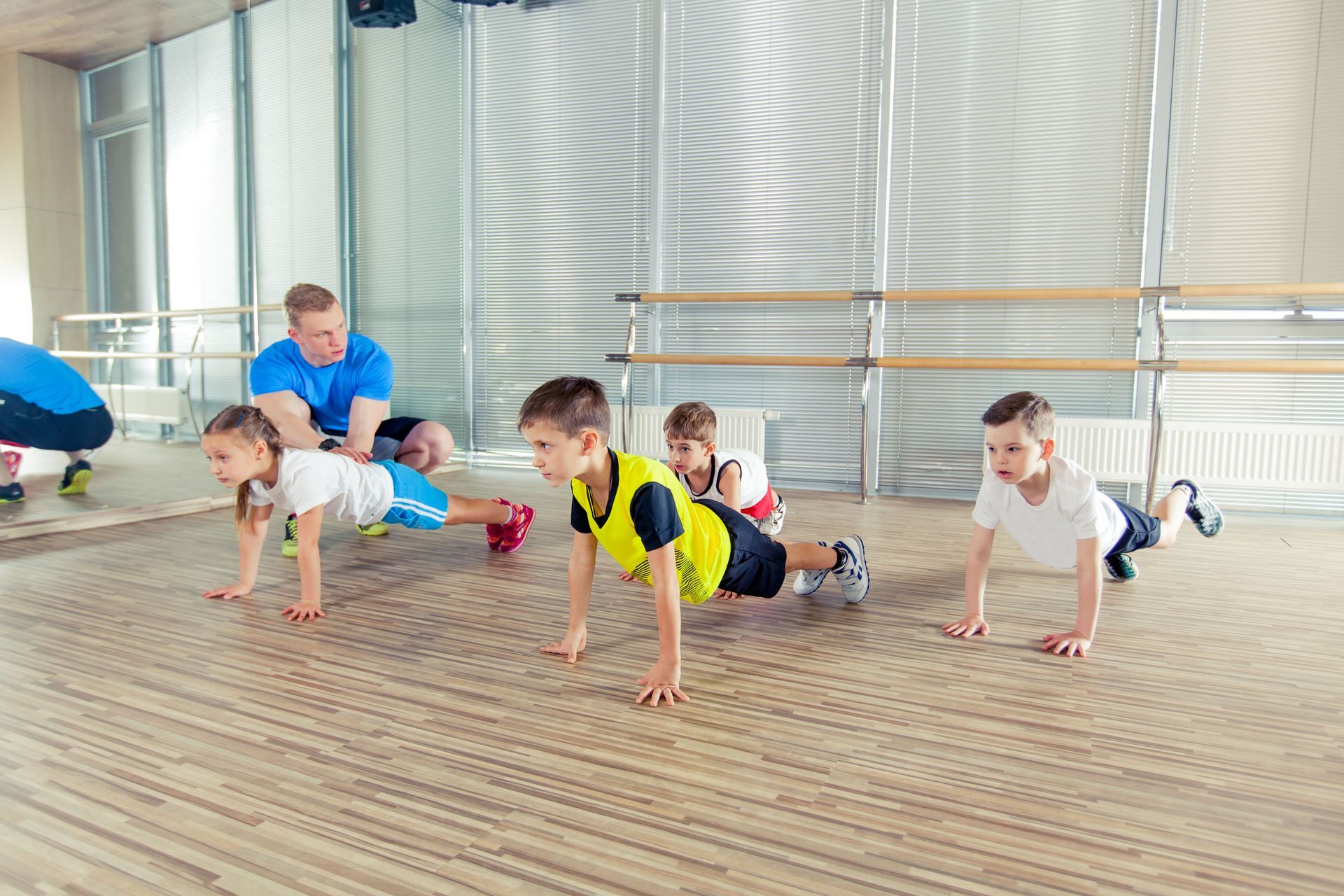
In a typical class setting, safety relies heavily on the children's ability to listen and react to the coach's guidance. Instructors use playful, engaging cues to keep the group moving together safely from the vault to the bars. If your little one listens well to other adults and can stay focused on a task for a few minutes at a time, they'll easily adapt to the rhythm of a structured class. This cooperative behavior ensures they stay safe while getting the maximum amount of fun and instruction out of every single session. When you notice that your child is genuinely listening to your words and trying to cooperate, they're likely ready to step into a preschool gymnastics program.
3. Eagerly Interacts With Peer Groups
Gymnastics is highly individual in terms of skill execution, but the class environment itself is a deeply social experience for young children. Participating in a group setting means your child will need to share space, wait patiently for their turn on the trampoline, and cheer on their classmates. If you notice your child showing a genuine interest in other kids at the local playground, or if they're successfully adapting to the social dynamics of daycare, they're ready for a group sports setting. Social curiosity is a massive indicator that a child will enjoy the camaraderie of a weekly class.
Learning to take turns is a difficult milestone for any toddler, but a gym environment handles this beautifully by turning patience into a game. Children watch their peers try a new skill, celebrate their successes, and then get their own chance to shine under the spotlight. This structure helps reduce separation anxiety because the children are constantly moving and interacting with peers who are doing the exact same things. If your little one is showing signs of wanting to make friends and participate in group play, it's a wonderful sign that they'll truly love the social structure offered by a preschool gymnastics program.
4. Openly Demonstrates Emotional Independence
Stepping away from a parent or caregiver, even for just forty-five minutes, is a major emotional milestone for a young child. Before enrolling your child in a structured activity, it's helpful to assess how they handle brief periods of separation. If your child can comfortably walk into a classroom, stay with a babysitter, or play independently in another room without experiencing intense distress, they're emotionally prepared for a class. A little bit of initial hesitation or shyness is completely normal, but it should quickly fade once the fun activities begin.
A great gym environment is designed to build on this burgeoning independence by fostering a strong sense of personal autonomy. As children realize they can complete an obstacle course all by themselves, their self-esteem skyrockets, making future separations even easier. Coaches are experts at welcoming hesitant children and distracting them with fun games that make them forget their initial anxiety. If your child is showing signs of wanting to do things "all by myself" and tolerates brief separations well, they possess the emotional maturity required to thrive. Watching them proudly wave to you from across the gym floor is one of the greatest rewards of enrolling them in a preschool gymnastics program.
Recognizing these developmental milestones in your daily life can give you the confidence to take the plunge into organized sports. If your child is constantly climbing the walls, listening well to instructions, enjoying the company of peers, showing emotional independence, and focusing on tasks, they're sending a clear message. You don't have to wait until they're older to give them the gift of structured movement; starting early builds an incredible foundation for their physical and mental future. Every hop, skip, and roll on the mat is a step toward a healthier, more confident child who understands the value of perseverance and play. If you see these signs in your child, contact today to schedule a risk-free trial class at Precizion 509 Gymnastics.

Share On: