The Health Benefits of Recreational Gymnastics for Kids
Recreational gymnastics is more than just a fun after-school activity for children; it plays a crucial role in their physical, psychological, and social development. This comprehensive guide explores the multifaceted health benefits of including recreational gymnastics in a child's routine, highlighting why it is an excellent option for physical fitness and holistic growth. By engaging in this versatile sport, children build a strong foundation for a healthy lifestyle while developing essential life skills that extend far beyond the gym floor.
Physical Benefits
Improvement of Flexibility and Balance
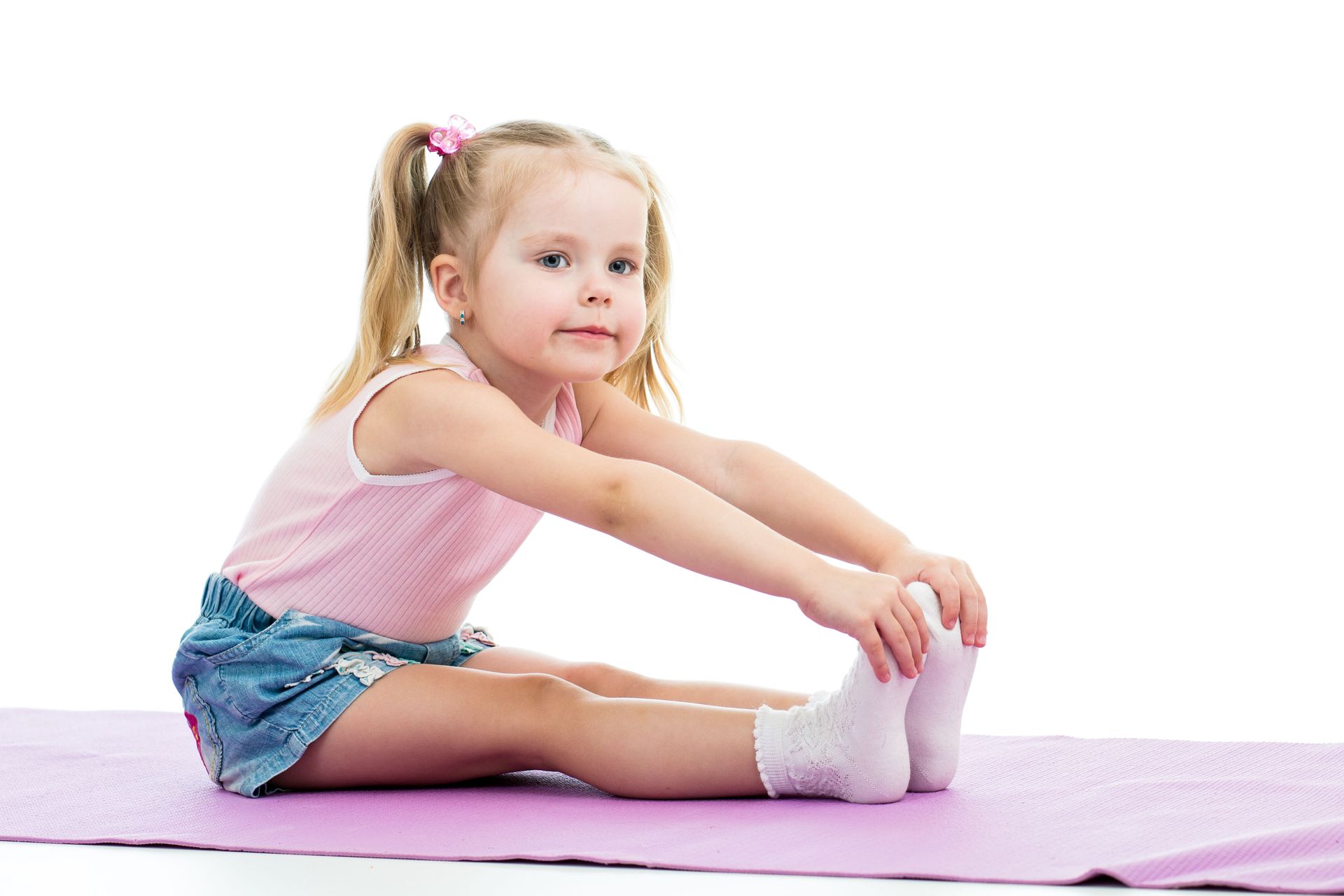
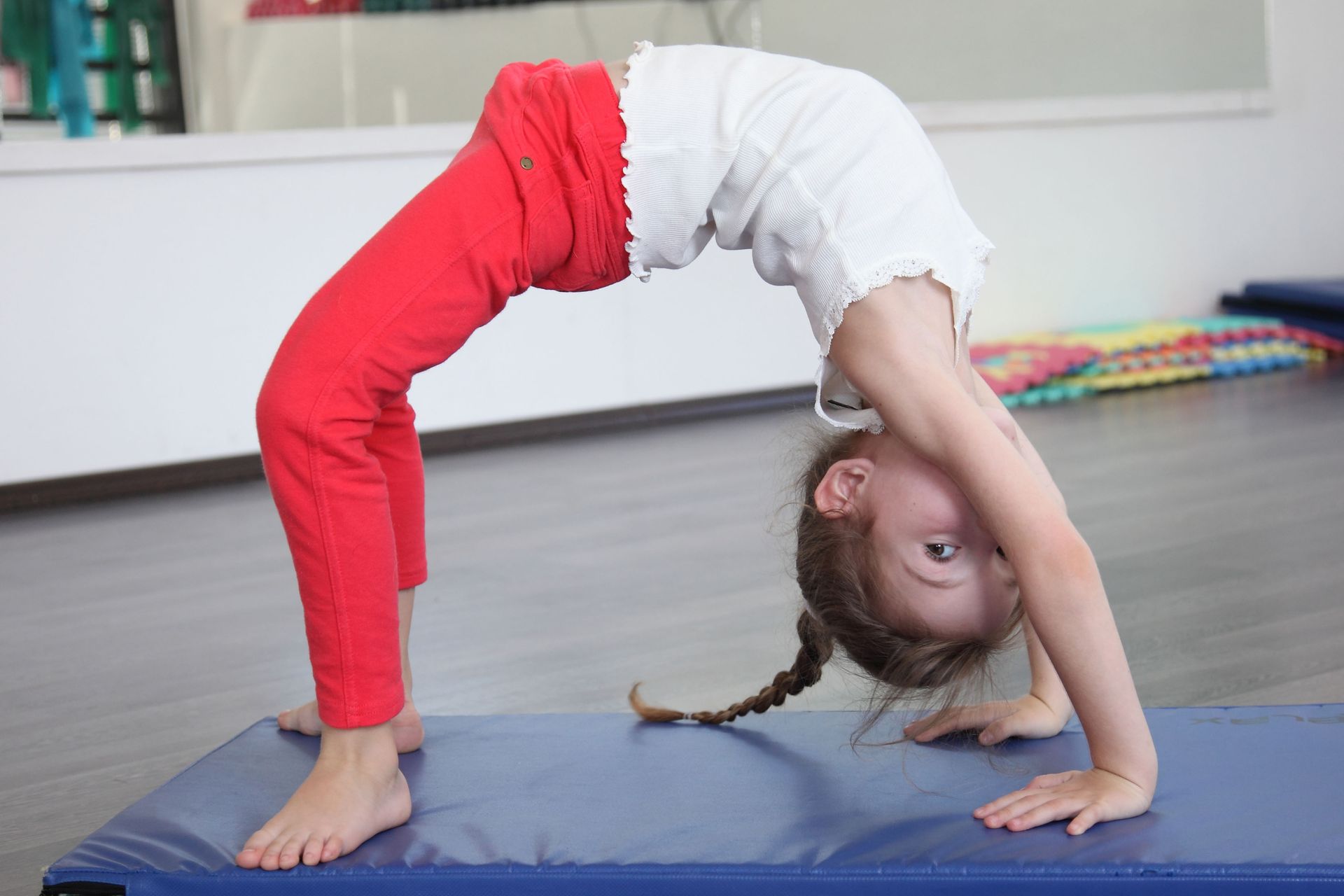
Gymnastics inherently requires a great deal of flexibility, which is developed through consistent training and dynamic stretching. Children who participate in recreational gymnastics learn to stretch their muscles effectively, which safely enhances their natural range of motion. This increased flexibility keeps joints supple and can prevent injuries not just in gymnastics but in other childhood sports and daily activities as well. Moreover, balance is a fundamental skill nurtured on the beams and floor layouts, aiding children in perfecting their body posture and structural symmetry. As they gain better total body control, children can perform daily tasks with greater ease and a lower risk of falls or accidents.
The balance skills children acquire through structured movement extend beyond sports, helping them thrive in academic environments as well. Strong balance and coordination skills are neurologically linked to improved concentration and focus during classroom tasks. Gymnasts develop a heightened awareness of their physical bodies, which translates directly to improved confidence in their overall physical capabilities. According to the Nationwide Children's Hospital, more than 600,000 children participate in school-sponsored and club-level gymnastics competitions annually in the United States. This staggering statistic underscores the incredible trust parents place in the sport as a vehicle for physical and cognitive development.
Enhancement of Strength and Muscle Tone
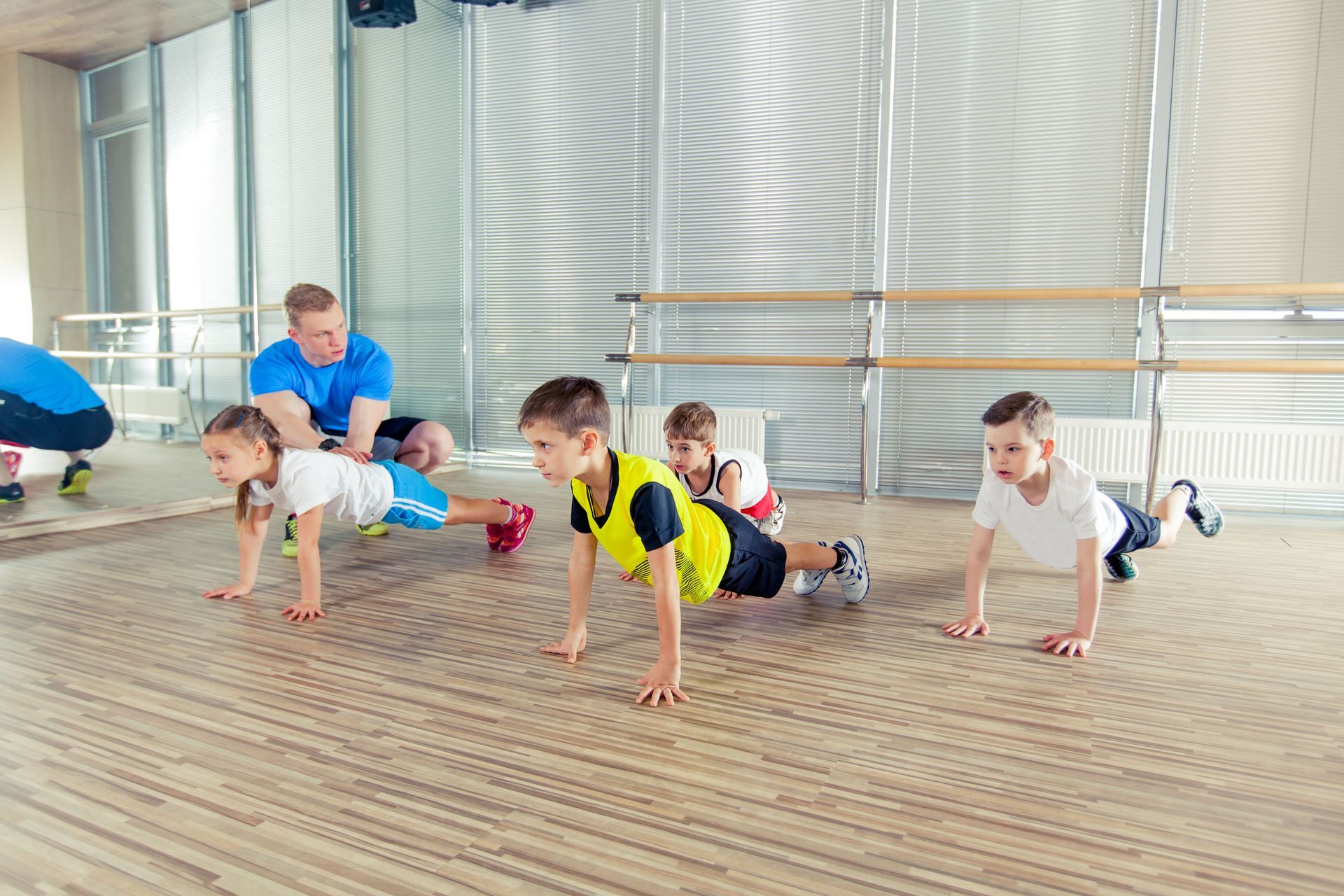
Participating in recreational gymnastics is an excellent way for children to build functional strength and develop lean muscle tone from an early age. The various activities involved in the sport, such as tumbling, swinging, and balancing, require significant muscle engagement from head to toe. Unlike traditional weightlifting, gymnastics promotes natural strength because exercises utilize the child's own body weight rather than external equipment. This resistance training helps children build strong, resilient muscles that improve their all-around physical capabilities. Regular practice results in vastly improved posture and core stability, which are essential for long-term spinal health.
The enhancement of muscle tone ties directly into a child’s overall physical progression, supporting bone growth and healthy joint stabilization. As children progress through different levels, they develop a comprehensive strength base that becomes highly advantageous for resilience against physical injury. Muscular endurance also tends to improve, showcasing the crossover benefits of the full-body strength gained through gymnastics routines. Parents often note visible improvements in their child's physical shape, agility, and stamina after just a few months of consistent participation.
Development of Coordination and Motor Skills
Coordination and motor skills are foundational for navigating daily life, and recreational gymnastics provides an ideal environment for their rapid acceleration. Through a diverse variety of exercises, children learn to synchronize different parts of their bodies while developing spatial awareness and physical precision. The repetitive motions practiced in the gym aid in refining both fine and gross motor skills over time. Such physical developments extend beyond the mats, positively impacting academic tasks such as writing, drawing, and cutting with scissors. Children who excel in these coordination elements often find that their refined motor skills transfer easily to other sports fields.
The training involved in gymnastics fosters a deep understanding of proprioception, helping kids master their body's position and movement in space. These enhanced motor skills allow children to excel not simply as athletes, but as students capable of complex physical actions and physical multitasking. For instance, improved hand-eye coordination gained on equipment translates into better typing skills on a keyboard or playing a musical instrument. Developing high-level coordination supports essential cognitive functions, linking physical movement directly to complex brain processes. The intricate routines serve as practical, engaging exercises for both the body and the mind.
Psychological Benefits
Boosting Self-Esteem and Confidence
Participating in recreational gymnastics can do wonders for a child's evolving self-esteem and internal confidence. As they master difficult new skills and achieve personal athletic goals, they experience a profound sense of genuine accomplishment. This boosts their self-image and strengthens their belief in their own abilities to tackle tough challenges. Children gain lasting confidence in their physical capabilities, which quickly translates into better social interactions and academic resilience. Gymnastics provides a safe platform for kids to challenge themselves, face physical fears, and overcome obstacles with pride.
Encouraging Discipline, Focus, and Goal-setting
Gymnastics is a fantastic tool for teaching discipline and intense focus, which are essential attributes for lifelong success. The sport demands that children adhere to structured practice schedules, follow complex instructions precisely, and respect safety guidelines. This level of discipline ingrains a strong work ethic and personal accountability, traits that are highly valuable in academic and future professional endeavors. Furthermore, the practice teaches children the invaluable skill of setting realistic short-term and long-term goals. Breaking down complex flips into manageable steps builds patience, persistence, and a growth mindset that celebrates hard work.
Stress Relief and Creative Self-Expression
Gymnastics offers numerous opportunities for children to relieve stress and maintain an emotionally balanced well-being. Physical activity is known to release endorphins, which are natural chemicals in the brain that act as mood lifters and anxiety reducers. The structured nature of the class offers stability and routine, providing a comforting sense of security and positive distraction from academic pressures. Additionally, through choreography and custom floor routines, children have a beautiful avenue for artistic creativity and self-expression. This unique artistic outlet helps children process complex emotions, enhance their emotional intelligence, and display their individuality proudly.
Social Benefits
Building Teamwork and Communication Skills
Even though it is often viewed as an individual sport, recreational gymnastics offers ample opportunities for children to build teamwork and cooperation skills. Group warm-ups, synchronized circuits, and team accountability highlight the importance of working together toward a common goal. Gymnasts quickly learn to rely on each other for positive feedback, spotting support, and mutual motivation during tough conditioning. These frequent interactions enhance their verbal communication skills and their ability to function smoothly as part of a cohesive unit. The camaraderie amongst teammates fosters a deep sense of belonging and emphasizes collaborative problem-solving skills.
Making New Friends and Socializing
The gym provides an excellent, structured setting for children to make new friends and develop vital social skills outside of school. The inclusive group environment fosters healthy interaction and networking among peers who share similar active interests and passions. This shared journey creates an immediate bonding experience, promoting deep friendships and a supportive network that reduces social anxiety. Engaging with diverse teammates helps kids learn to communicate respectfully with children of various ages and backgrounds. Ultimately, these rich social interactions help build empathetic, well-rounded individuals who feel accepted, valued, and socially confident.
Recreational gymnastics provides a comprehensive foundation for a child's overall well-being, seamlessly blending physical development with vital psychological and social milestones. From improving flexibility and core strength to fostering deep emotional resilience and lifelong social skills, the benefits of this versatile sport are undeniable. By introducing children to structured movement early on, parents can unlock their physical potential while instilling a lasting love for fitness and health. Ultimately, the lessons learned and the confidence built on the gym mats will serve young athletes proudly throughout their lives.

Share On: