From Backyard Cartwheels to Competition Mats - The Competitive Gymnastics Journey
The path from backyard cartwheels to structured routines is an exciting and meaningful experience for young athletes. What often begins as playful movement can grow into a disciplined pursuit filled with learning, growth, and achievement. A competitive gymnastics program introduces structure, guidance, and progression that help gymnasts build confidence while developing their physical and mental abilities. These programs are designed to meet athletes where they are, allowing beginners to feel comfortable while also challenging more experienced gymnasts to refine their skills.
As children gain exposure to different movements and techniques, they begin to understand the value of consistency, patience, and effort. Over time, small accomplishments build into major milestones, reinforcing their confidence and motivation. A competitive gymnastics program also encourages goal setting, teamwork, and accountability, all of which play a role in shaping well-rounded athletes. With each practice and performance, gymnasts develop habits that extend beyond the sport and into everyday life. This journey naturally leads into understanding how passion evolves into commitment through training, competition, and personal development.
Discover the Spark That Starts it All
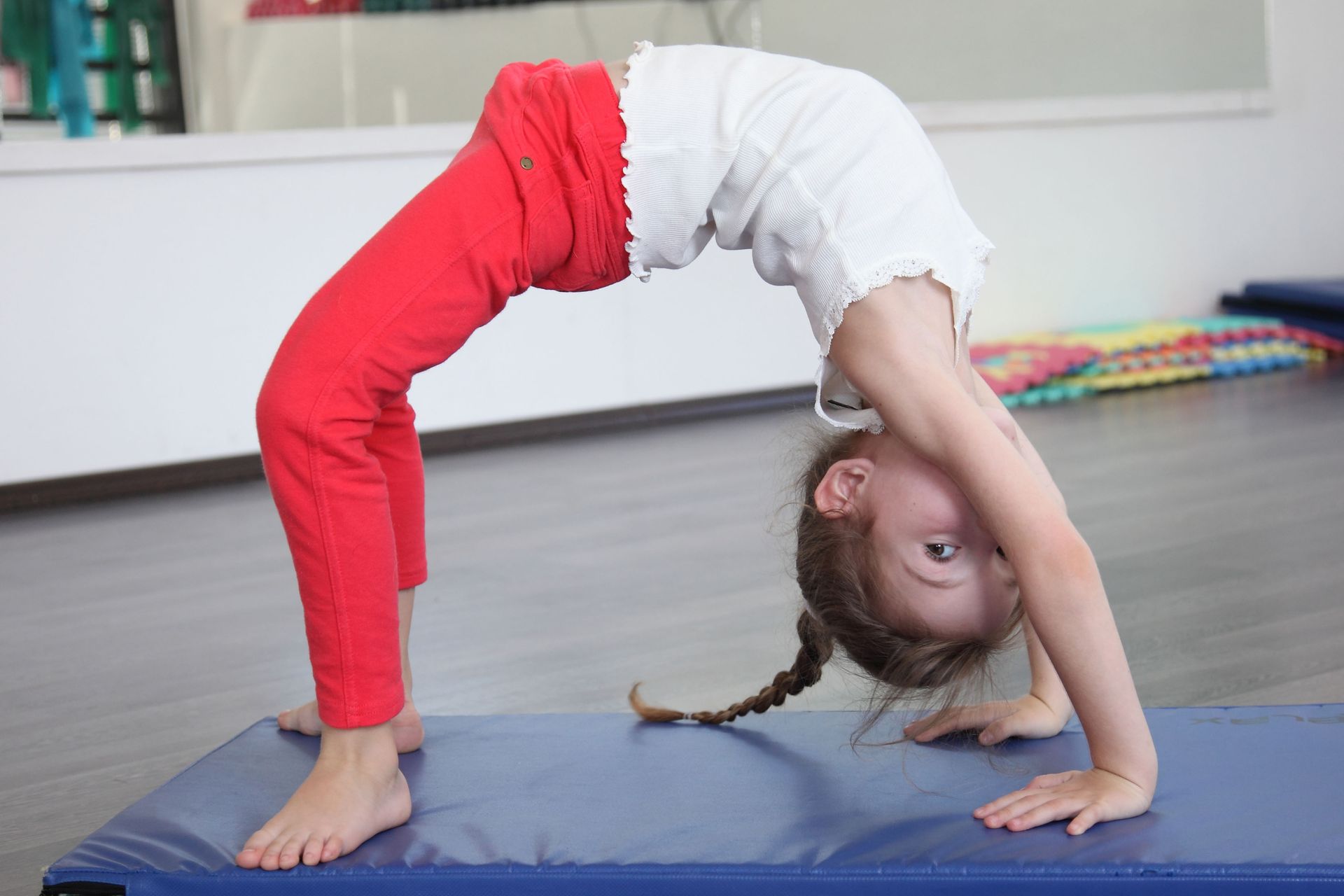
Every gymnast's journey begins with a simple spark of curiosity. Whether inspired by watching performances or trying basic skills at home, many children develop an early interest that grows quickly. Family support often plays a key role in encouraging that interest, especially when parents introduce children to organized classes like Preschool Gymnastics or Recreational Show Meet opportunities.
These early experiences provide a foundation for a competitive gymnastics program, where children begin to understand structure, instruction, and teamwork. Exposure to classes such as Girls Gymnastics or Urban Gym activities helps young athletes explore different styles and movements while building excitement for the sport. Over time, what starts as fun gradually transforms into a deeper passion, motivating athletes to pursue more focused training and set goals for improvement.
Build Strength, Skill, and Stamina Over Time
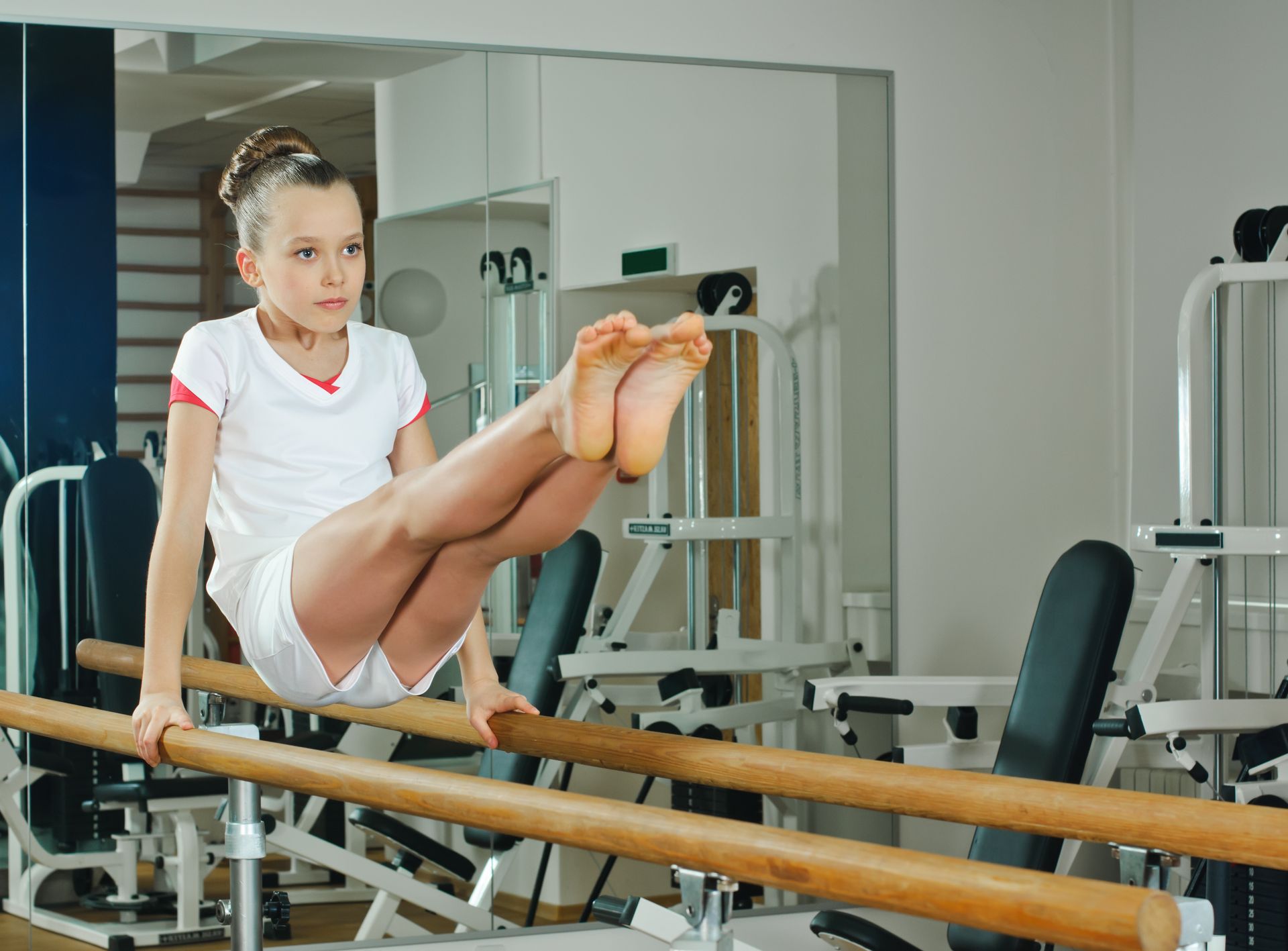
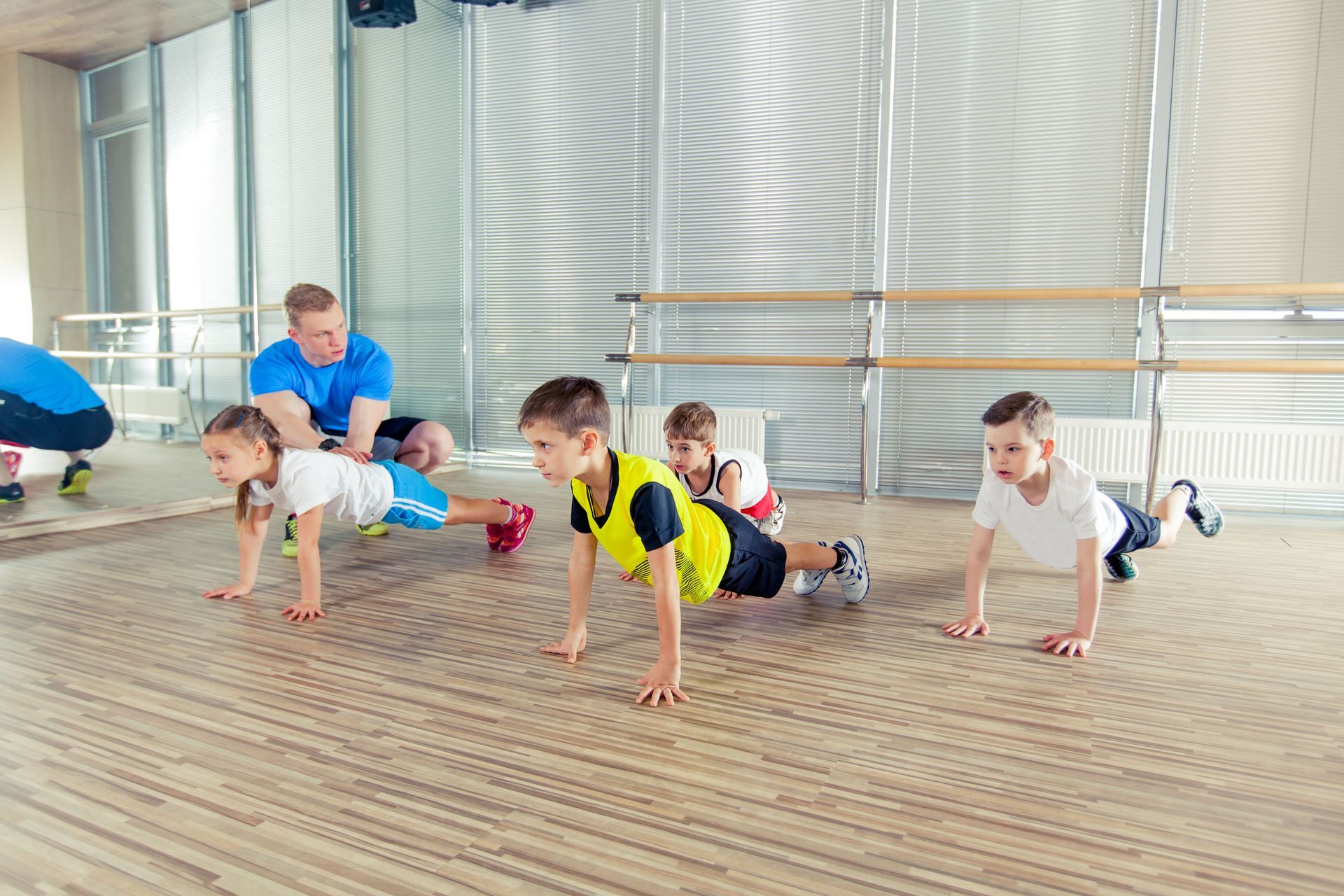
As gymnasts transition into a more serious competitive gymnastics course, training becomes more structured and consistent. Athletes begin developing core strength, flexibility, and coordination through guided instruction and repetition. Programs like Tumbling help refine essential techniques that support more advanced skills later on.
Balancing strength and flexibility is essential for both performance and injury prevention. Coaches guide athletes through progressive exercises that match their age and ability level, ensuring steady improvement. According to Gymnastics HQ, while there is no strict minimum age requirement set by USA Gymnastics, many athletes typically reach Level six between the ages of 10 and 13 after progressing through earlier levels. This progression highlights how consistent training within a competitive gymnastics program supports long-term development.
Mental focus also becomes increasingly important. Gymnasts learn how to concentrate, follow routines, and stay composed under pressure. These skills are just as valuable as physical strength and contribute significantly to success in both training and competition. As athletes continue progressing, they also begin to understand the importance of recovery, proper nutrition, and consistency in maintaining peak performance.
Experience the First Competition With Confidence
Entering a first competition is a major milestone for any gymnast. It represents the shift from practicing skills to performing them in front of judges and an audience. A well-structured competitive gymnastics program prepares athletes for this transition by setting realistic goals and helping them understand what to expect.
For many young gymnasts, the first competition is less about winning and more about gaining experience. Learning how to manage nerves, follow routines, and perform with confidence is key. Coaches and families provide encouragement, helping athletes stay focused and enjoy the experience.
After the event, feedback plays an important role in growth. Judges’ scores and comments help athletes identify strengths and areas for improvement. This process builds resilience and encourages continuous learning, which is essential within any competitive gymnastics program. Over time, these early competition experiences help athletes build confidence and develop a stronger sense of self-discipline.
Advance Through Levels With Consistent Effort
Progression in gymnastics requires dedication, patience, and consistent effort. As athletes move through different levels, they encounter more complex skills and higher expectations. A competitive gymnastics program provides a clear pathway for advancement, helping athletes understand what is required at each stage.
Support systems become increasingly important during this phase. Teammates, coaches, and family members all contribute to a positive environment that encourages growth. Training alongside peers creates a sense of community, making the journey more enjoyable and motivating.
Advanced coaching also plays a critical role. As skills become more technical, athletes benefit from targeted instruction that refines performance and builds confidence. Plateaus are a natural part of development, but with the right guidance, gymnasts can push through challenges and continue progressing within their competitive gymnastics course. Small achievements along the way often lead to major breakthroughs over time.
Balance Training With Everyday Life
Managing life as a young athlete requires strong time management skills. Gymnasts must balance school, training, and personal time, which can be challenging without proper planning. A structured competitive gymnastics program helps athletes develop discipline and organization that extends beyond the gym.
Maintaining social connections is equally important. While training schedules can be demanding, staying connected with friends and family supports emotional well-being. Activities outside of gymnastics provide balance and help athletes recharge.
Handling pressure is another key aspect of growth. As expectations increase, gymnasts learn techniques to manage stress and stay focused. Whether through visualization, goal setting, or support from coaches, these strategies help athletes maintain confidence and perform at their best. Developing these habits early can positively impact other areas of life, including academics and future career paths.
Reach Higher Levels and Expand Opportunities
For some athletes, gymnastics leads to opportunities at higher levels of competition. Participating in regional, national, or even international events represents years of dedication and hard work. A competitive gymnastics program lays the foundation for these achievements by building strong technical skills and mental resilience.
Traveling for competitions introduces new experiences and challenges. Athletes learn to adapt to different environments, manage schedules, and perform under varying conditions. These experiences contribute to both athletic and personal growth.
Competing at higher levels also provides valuable exposure. Athletes gain a deeper understanding of the sport and develop skills that extend beyond gymnastics, including discipline, perseverance, and confidence. Regardless of how far they go, the lessons learned through a competitive gymnastics course have a lasting impact. Many athletes also discover leadership opportunities, mentoring younger gymnasts, and contributing to a supportive team culture.
The journey from simple backyard movements to structured competition is both challenging and rewarding. Gymnastics shapes athletes into disciplined, confident individuals who are prepared to take on new challenges in and out of the gym. Through consistent training, supportive environments, and meaningful experiences, a competitive gymnastics program builds a strong foundation for lifelong growth.
Beyond physical development, gymnasts gain valuable life skills such as perseverance, responsibility, and self-motivation. These qualities often carry into academics, relationships, and future career paths, making the impact of gymnastics far-reaching. The discipline learned through regular practice and competition helps athletes stay focused on their goals while adapting to challenges along the way.
At Precizion 509 Gymnastics, we are committed to helping athletes grow through every stage of their journey. Our programs are designed to support skill development, confidence, and long-term progress in a positive environment. Whether your child is exploring gymnastics for the first time or ready to advance within a competitive gymnastics program, we are here to guide and support their growth. Contact us today to learn more about how we can help your athlete take the next step.



Share On: